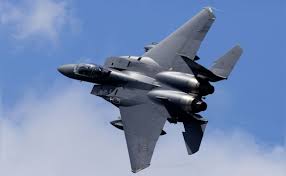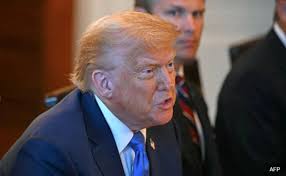
President Donald Trump’s recent announcement regarding a “Big Force” heading toward Iran signifies a dramatic escalation in Middle East tensions as the United States positions what he described as a “massive armada” and a “big flotilla” to monitor the region “very closely.” Speaking to reporters aboard Air Force One on January 22, 2026, while returning from the World Economic Forum in Davos, Switzerland, the President confirmed that a significant naval presence—headlined by the USS Abraham Lincoln carrier strike group and various guided-missile destroyers—is currently being diverted from the Asia-Pacific through the Strait of Malacca toward the Gulf.
This movement follows a period of intense internal turmoil in Iran, where a nationwide protest movement that erupted on December 28, 2025, has been met with a brutal state crackdown resulting in thousands of deaths; while Iranian authorities officially claim approximately 3,117 fatalities, international human rights organizations such as HRANA and the Norway-based Iran Human Rights NGO estimate the toll has surpassed 5,000, with some reports suggesting even higher numbers amidst a total internet blackout that has lasted over two weeks.
Trump’s rhetoric has oscillated between calls for restraint and severe threats, as he claimed his personal intervention and a warning of being “hit harder than you’ve ever been hit” successfully halted the planned execution of nearly 840 protesters, an act he asserted would make the 2025 strikes on Iran’s nuclear program look like “peanuts.
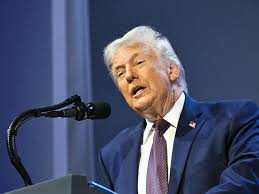
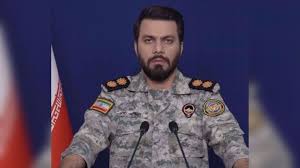
” The geopolitical landscape is further complicated by the shadow of the “12-Day War” in June 2025, during which the U.S. and Israel targeted Iranian nuclear and ballistic facilities, leading Trump to warn that any attempt by Tehran to resume enrichment would be met with immediate and overwhelming force. In a series of heated exchanges, the President also reiterated his vow to “wipe Iran off the face of the Earth” if any attempt were made on his life—a response to persistent assassination threats from Iranian officials who have meanwhile stated their “finger is on the trigger” and that all U.S. interests in the region are legitimate targets. Despite the massive buildup,
Trump maintained a layer of strategic ambiguity, stating he hoped military action would not be necessary and that the fleet was a precautionary measure, even as his administration launched a new “Board of Peace” at Davos and navigated complex trilateral talks involving Russia and Ukraine in the UAE. As the world watches this “massive fleet” approach the Iranian coast, the situation remains a volatile mix of domestic revolution within Iran and a muscular American deterrence policy that has left the international community bracing for the possibility of a direct confrontation between the two long-standing adversaries.
About the Author