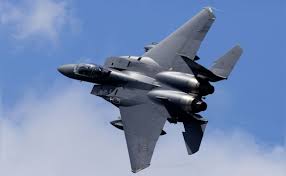
The claims by Iranian state media regarding the downing of a U.S. F-15 fighter jet near the Strait of Hormuz on March 22, 2026, represent a high-stakes clash in the ongoing information war accompanying the physical conflict. According to reports from the Tehran Times and the semi-official ISNA news agency, Iran’s Joint Air Defense Command allegedly intercepted and struck a “hostile” F-15 using advanced surface-to-air missiles over the country’s southern coastline near Hormuz Island.
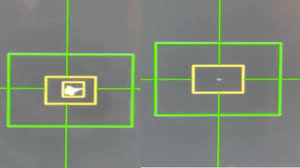
To bolster these assertions, Iranian outlets circulated a 29-second infrared video clip purportedly showing a missile locking onto and hitting a fighter jet. This announcement followed shortly after a 48-hour ultimatum from U.S. President Donald Trump, who threatened to “obliterate” Iran’s energy infrastructure if the strategic waterway was not fully reopened.
By publicizing the alleged shootdown, Tehran sought to demonstrate its “integrated air defense” capabilities and signal that any further American or Israeli incursions would meet lethal resistance, regardless of the aircraft’s advanced technology.
However, the United States Central Command (CENTCOM) issued a swift and categorical “fact-check” to debunk the Iranian narrative. In a direct post on social media, CENTCOM dismissed the reports as “baseless” and “rumors,” asserting that while U.S. forces have flown more than 8,000 combat sorties during the current “Operation Epic Fury,” no U.S. fighter aircraft had been lost to Iranian fire.
American officials pointed out that the footage provided by Iran was unverified and lacked the definitive hallmarks of a modern F-15 shootdown. Military analysts suggested that such claims are often a form of psychological warfare designed to boost domestic morale and project strength to regional allies.
This specific incident is part of a broader pattern of conflicting reports; just days prior, the IRGC claimed to have hit a U.S. F-35 stealth fighter—an incident the U.S. partially acknowledged by confirming an F-35 had made an emergency landing after being struck, though the pilot and aircraft survived.
The discrepancy between the two accounts highlights the “fog of war” currently clouding the Persian Gulf. While Iran continues to insist it has neutralized multiple high-value targets, including drones and fourth-generation fighters, the U.S. maintains that its air superiority remains unchallenged across “vast swaths” of Iranian airspace.
This battle for the narrative is as critical as the kinetic strikes themselves, as both sides attempt to influence global energy markets and international diplomatic opinion.
For the international community, these competing claims underscore the volatility of the region, where a single verified shootdown could provide the spark for the “total war” that President Trump’s ultimatum warned of. As of March 23, the Strait of Hormuz remains a primary frontline where every missile launch and every press release is a calculated move in a chess match with global consequences.
About the Author