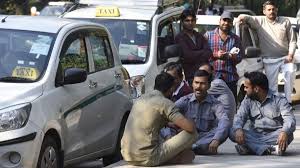
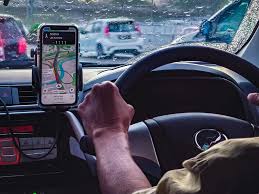
The ongoing strike by app-based cab drivers across Gurugram today, March 23, 2026, is a powerful manifestation of a growing crisis centred on “driver safety” and the perceived imbalance of accountability between service providers and users.
Led by a coalition of drivers associated with platforms like Uber and Ola, the protest reached a boiling point following a series of violent incidents, most notably the tragic murder of 25-year-old driver Suraj Singh in January 2026, who was strangled by passengers during a routine trip.
The central demand of the striking workers is the immediate implementation of mandatory “Know Your Customer” (KYC) verification for all passengers.
Drivers argue that while they are subjected to rigorous background checks and Aadhaar linking to access these platforms, passengers can often book rides using fake names, unverified phone numbers, or “burner” accounts, leaving drivers vulnerable to assault, robbery, and extortion—particularly during late-night or inter-city trips.
In addition to the call for identity verification, the protesting drivers have highlighted significant failures in the “SOS” and emergency response systems integrated into the ride-hailing apps.
Many participants gathered at Sector 46 on Saturday to voice their frustration, claiming that panic buttons often fail to trigger a timely response from either the companies or the local police during critical moments of distress.
Beyond physical safety, the strike is also fueled by deep-seated economic grievances, including the lack of a robust grievance redressal system and the rising costs of operation.
The drivers are pushing for a more transparent “rating and reporting” mechanism that would allow them to flag hostile or dangerous passengers without facing retaliatory deactivations.
The disruption has caused significant inconvenience for Gurugram’s daily commuters, with many reporting wait times of 15 to 20 minutes and frequent cancellations, as approximately 60% to 70% of the city’s app-based fleet remains offline in a collective bid for “safety over earnings.”
About the Author