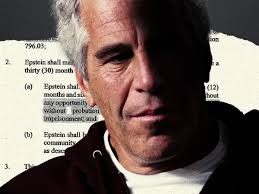
In November and December 2025, a massive wave of information regarding Jeffrey Epstein has surfaced, driven by the release of approximately 23,000 documents from his estate and new visual evidence from his private island.
This release, largely spearheaded by Democrats on the House Oversight Committee, serves as a high-pressure tactic aimed at the U.S. Department of Justice to ensure the full disclosure of government-held “Epstein files” by a court-mandated deadline of December 19, 2025.
The cache of documents includes a vast array of emails, text logs, and court depositions spanning over a decade, offering an unprecedented look at Epstein’s global influence, his efforts to manipulate his public image, and his proximity to some of the world’s most powerful figures in politics, science, and media.
A central theme in the new files is Epstein’s complex and often contradictory relationship with Donald Trump. Emails from 2011 between Epstein and Ghislaine Maxwell refer to Trump as “the dog that hasn’t barked,” with Epstein claiming that a victim spent “hours at my house” with him. Other correspondence involving journalist Michael Wolff and Epstein’s brother, Mark Epstein, suggests that Epstein may have possessed leverage or “dirt” on Trump, including mentions of compromising photos.
However, the files also reveal a side of Epstein that was willing to support Trump, with text logs from his first term showing Epstein offering help for Trump to “triumph” and defending him against charges of racism. These documents paint a picture of a man who played both sides of the political aisle, maintaining ties with Obama White House counsel and claiming to have sent ideas to Joe Biden’s team, all while navigating social circles that included Steve Bannon and Peter Thiel.
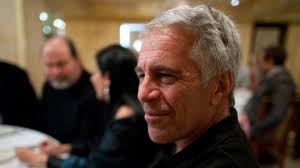
The release also highlights Epstein’s extraordinary reach into international affairs. He reportedly acted as an advisor or connector for global leaders and billionaires, ranging from the President of Mongolia to the Sultan of Dubai.
Perhaps most shocking are the threads suggesting he may have passed information about Donald Trump to Russian officials, specifically citing a relationship with the late diplomat Vitaly Churkin. Beyond politics, the files expose his “image management” team, led by Al Seckel, which allegedly hacked Wikipedia and manipulated search engine results to bury negative press.
New visual evidence released in December also provides a chilling tour of his Little St. James island, showing mundane domestic scenes alongside bizarre items like a dentist chair in a residential room and a blackboard covered in cryptic words like “Power” and “Deception”.
As the December 19 deadline approaches, these revelations have reignited a global conversation about accountability and the extent of the network that protected Epstein for decades.
About the Author