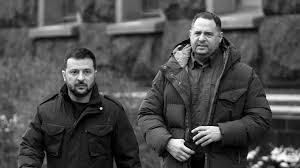
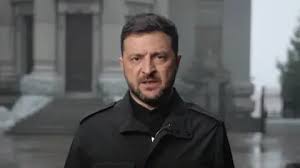
Ukraine is actively preparing a revised peace plan, working in coordination with its European allies, as it faces increasing diplomatic pressure from the United States to find a swift end to the ongoing conflict with Russia. Central to Ukraine’s position, and a non-negotiable red line, is President Volodymyr Zelenskyy’s firm rejection of surrendering any Ukrainian territory to Moscow.
This unwavering stance—a bedrock principle of Ukrainian sovereignty and constitutional law—stands in stark contrast to elements of a US-backed draft peace framework that reportedly included provisions for Kyiv to cede land in the eastern Donbas region.
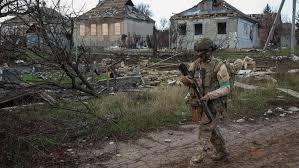
Zelenskyy has made it clear that Ukraine has no legal or moral right to give away its land, emphasizing that to do so would reward Russia’s aggression and validate its attempts to redraw international borders by force.
The current diplomatic flurry is focused on refining a peace proposal, initially a 28-point plan circulated by the US, which has since been reduced to an updated, 20-point framework. European allies, including the leaders of the UK, France, and Germany, have publicly expressed support for Ukraine’s territorial integrity and have shown skepticism towards the initial US proposal,
which they worried was overly favorable to Russia’s maximalist demands. Recent high-level discussions in London and Brussels involving Zelenskyy and European leaders were aimed at creating a unified European-Ukrainian front to strengthen Kyiv’s negotiating position and ensure any final deal is just and lasting.
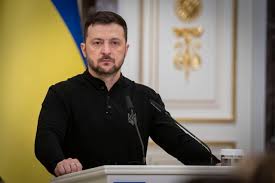
The core tension in the peace negotiations revolves around territorial concessions and security guarantees. Russia continues to insist on recognition of its sovereignty over the annexed regions, including Crimea, Luhansk, and Donetsk, as a precondition for peace.
Ukraine’s own peace formula, which underpins its revised plan, demands a complete withdrawal of Russian troops from all Ukrainian territory to its 1991 borders, the return of prisoners and deported children, and the prosecution of Russian war crimes.
Moreover, a major sticking point for Kyiv is securing concrete and robust security guarantees from its international partners to prevent any future Russian aggression. Zelenskyy has repeatedly stressed the need for clear answers on what partners would be prepared to do in the event of a new attack, asserting that these security measures must be at the core of any resolution.
In addition to territorial integrity, Ukraine’s peace plan is expected to include demands related to financial accountability, specifically calling for frozen Russian assets to be utilized for the reconstruction of Ukraine. This insistence that the “aggressor must pay fully for the war he started” is seen as a crucial element of justice and deterrence. As the war approaches its fourth year, the diplomatic track remains fraught with deep divisions. While the US pushes for a compromise settlement to end the conflict quickly, Zelenskyy and his European partners are focused on ensuring that speed does not come at the expense of Ukrainian sovereignty and long-term security. The revised 20-point Ukrainian plan, which is slated to be shared with the US, represents a concentrated effort by Kyiv to secure a dignified peace that fully respects the principle of territorial integrity, setting a clear boundary against any deal that would legitimize Russia’s illegal occupation of its land.
About the Author