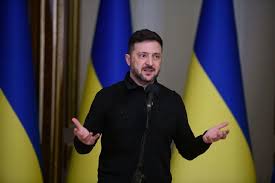
In a major diplomatic push to end Europe’s deadliest conflict since World War II, 35 nations—known as the “Coalition of the Willing”—are meeting in Paris on January 6, 2026, to transform vague promises of support for Ukraine into concrete, legally binding security guarantees. This high-stakes summit, hosted by French President Emmanuel Macron, follows a preliminary meeting of national security advisers in Kyiv and a military session of chiefs of the general staff. The primary objective is to finalize a “multilateral framework agreement” that would reassure Kyiv in the event of a ceasefire with Russia. Ukrainian President Volodymyr Zelenskyy, who has undergone a significant cabinet reshuffle to prioritize this “diplomatic track,” is seeking an “Article 5-like” mutual defense commitment. This package is designed to act as a “tripwire” or “backstop,” involving European-led troops on the ground and U.S. air support to ensure that Moscow does not use a peace deal as a tactical pause to rearm for a future invasion.
The Strategic Blueprint
The meeting focuses on five key documents that underpin a U.S.-brokered peace plan, which is reportedly “90% ready.” The security pledges under discussion are multi-dimensional:
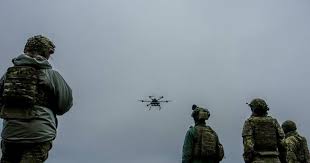
Multinational Force: Allies are seeking contributions for a deterrent force to be deployed on Ukrainian soil immediately upon a ceasefire.
Economic “Booster”: Partners have reached a consensus on an $800 billion economic package over the next decade to cover reconstruction and economic stability.
Military Self-Sufficiency: A commitment to maintain Ukraine’s peacetime military at 800,000 personnel, supported by sustained Western training and equipment.
Sanctions Alignment: Agreeing on a sequence of further pressure on Russia, including the EU’s 20th sanctions package, should Moscow refuse to engage in “meaningful negotiations.”
Diplomatic Hurdles and the “Venezuela Factor”
Despite the momentum, the summit faces a complicated geopolitical backdrop. While European leaders like Macron and British Prime Minister Keir Starmer have been vocal about a “European-led” security architecture, the role of the United States remains the deciding factor. President Donald Trump has signaled a desire to wrap up the war quickly, often pressuring Kyiv to consider territorial concessions—a point of significant friction. Furthermore, the U.S. military intervention in Venezuela on January 3 has diverted Washington’s attention, with senior negotiators like Steve Witkoff and Jared Kushner attending the Paris talks amid a shifting U.S. focus toward the Western Hemisphere. Zelenskyy has remained firm that while he is open to a “sequence plan” for peace, he will not sign any deal that lacks “binding commitments” if Ukraine is attacked again.
Looking Ahead
The Paris summit is seen as the final preparatory step before a potential leadership-level meeting in the United States later in January 2026. For the “Coalition of the Willing,” the goal is to present a unified front that forces Russia to choose between a “just and lasting peace” or an intensified “war of attrition” backed by a solidified Western alliance. As Zelenskyy noted, this is a “new wave” and a “new chance” to end the four-year war, but the success of the Paris pledges will ultimately depend on whether allies are truly prepared to put “boots on the ground and jets in the air” to back their words.
Related posts:
Citing ‘love jihad’, Gujarat moves to change marriage registration law, make parental consent compul...
School Assembly News Headlines Today (January 7): Top National, Business News, Sports News & World N...
Twist in Ratle project row: J&K Police wrote last month warning about 29 with ‘terror or criminal’ b...
About the Author