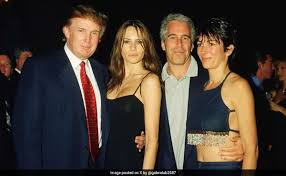
The recent restoration of a photograph featuring Donald Trump within the newly unsealed Jeffrey Epstein investigative files has ignited a firestorm of political controversy, centering on accusations of transparency failures and a specific, albeit debated, social link involving Melania Trump.
In December 2025, following the mandate of the Epstein Files Transparency Act, the U.S. Department of Justice (DOJ) released thousands of pages of records, only to spark immediate backlash when at least 16 files—including a prominent photograph labeled File 468—suddenly disappeared from the public database less than 24 hours after their initial posting.
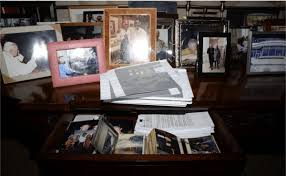
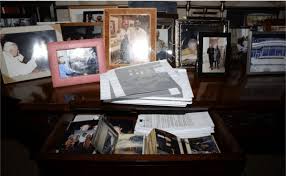
This specific image, which was found inside a desk drawer among other personal items, depicts Donald Trump posing alongside Jeffrey Epstein, Ghislaine Maxwell, and Melania Trump (then Knauss) during a social gathering at Mar-a-Lago in February 2000.
The temporary removal of this visual evidence led high-ranking Democrats, including Senate Leader Chuck Schumer and House Minority Leader Hakeem Jeffries, to label the incident a “White
House cover-up,” with Schumer characterizing the DOJ’s handling of the release as potentially one of the “biggest cover-ups in American history.”
The “Melania link” within this narrative is multi-faceted; beyond her presence in the restored photograph, the controversy revived long-standing but disputed claims regarding how she and Donald Trump were first introduced.
While the restored photo provides a clear visual record of the Trumps’ social overlap with Epstein’s circle at the turn of the millennium, it also surfaced older media retractions—such as a notable 2025 Daily Beast retraction—which had previously suggested Epstein played a “matchmaker” role.
Melania’s legal team has consistently and forcefully denied these claims, asserting that she met Donald through Italian businessman Paolo Zampolli at a party in 1998, a narrative the DOJ’s Deputy Attorney General Todd Blanche sought to keep separate from the criminal investigation files.
The privacy of other women appearing in the background who were initially thought to be potential victims. He insisted the removal had “nothing to do with the President” and was part of a broader effort to vet over 100,000 pages of sensitive material for survivors’ protection.
However, the restoration did little to quell the outrage from victim advocacy groups and lawmakers who argued that the files were already heavily redacted, with entire 119-page documents blacked out to the point of being illegible.
Critics point out that while the files contain extensive photos and mentions of other figures like Bill Clinton, the initial absence and subsequent “trickle” release of Trump-related material created a perception of selective disclosure.
This ongoing friction highlights the deep-seated public mistrust surrounding the Epstein case, where every redacted line or temporarily missing photo is scrutinized as a possible attempt to sanitize the historical record of powerful figures’ associations with the disgraced financier.
As the DOJ continues its review of the remaining “hundreds of thousands of pages,” the restoration of File 468 serves as a pivotal moment in the 2025 transparency battle, ensuring that the visual evidence of the Trumps’ historical proximity to Epstein remains part of the public record, even as the administration maintains that these associations never crossed into criminal territory.
About the Author