In a series of urgent statements issued on December 19, 2025, the United Nations has called for an immediate, impartial, and transparent investigation into the killing of a prominent youth protest leader in Bangladesh, warning that a failure to ensure accountability could jeopardize the country’s path toward democratic stability.
The UN High Commissioner for Human Rights, Volker Türk, expressed deep alarm following the death of Sharif Osman Hadi, a key figure in the 2024 student-led uprising, who succumbed to gunshot wounds on December 18 after being attacked by masked assailants in Dhaka.
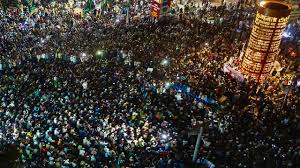
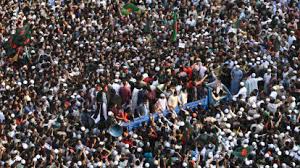
This killing has ignited a fresh wave of violent protests across the nation, with demonstrators clashing with security forces, torching buildings, and targeting media houses. The UN’s call for a “swift probe” is not merely about a single act of violence; it is a direct appeal to the interim government, led by Nobel laureate Muhammad Yunus, to prevent a cycle of “retaliation and revenge” from derailing the upcoming parliamentary elections scheduled for February 12, 2026.
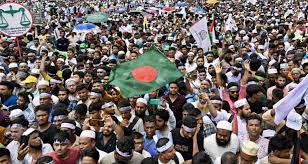
The United Nations has emphasized that the protection of electoral freedom and civic space is paramount as Bangladesh prepares for its first general election since the ouster of Sheikh Hasina. UN Secretary-General António Guterres, through his spokesperson, urged all political factions to exercise “maximum restraint” to preserve a peaceful electoral environment.
The global body is particularly concerned about the shrinking safety for journalists and the surge in “mob justice,” including the reported lynching of a Hindu man in Mymensingh amid the unrest.
The UN’s stance is clear: for the 2026 polls to be viewed as legitimate by the international community, the interim administration must uphold the rights to freedom of expression and peaceful assembly while ensuring that the security sector—which has faced accusations of arbitrary arrests and extrajudicial killings—operates under strict human rights standards.
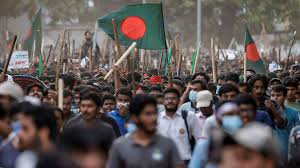
Furthermore, the UN is closely monitoring the legal proceedings against former officials, including the death sentences recently handed down in absentia to Sheikh Hasina and her home minister for crimes against humanity.
While the UN human rights office acknowledged these trials as a “moment for victims,” it reiterated its staunch opposition to the death penalty and urged the Bangladeshi authorities to ensure that all judicial processes meet international due process standards.
As the February election date approaches, the UN has offered its technical support to help reform the Election Commission and the National Human Rights Commission, viewing these as essential pillars for “national healing.”
The coming weeks are seen as a “litmus test” for the Yunus administration; the UN’s message is that without a credible investigation into recent violence and a guaranteed “safe environment” for all political views, the hard-won gains of the 2024 revolution may be at risk of being lost to further instability and polarization.
About the Author