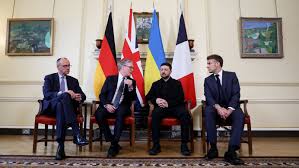

Ukraine is currently preparing a revised peace proposal to present to its Western allies, particularly the United States, amidst ongoing international diplomatic efforts to halt the nearly four-year-long conflict with Russia.
This new diplomatic push follows the emergence of a US-backed peace framework—reportedly a significantly revised version of an initial 28-point plan—which was widely seen by Kyiv and European capitals as being overly favorable to Moscow’s maximalist demands.
Central to Ukraine’s new position, and the unequivocal message from President Volodymyr Zelensky, is the absolute refusal to surrender any Ukrainian land to Russia, a non-negotiable principle that directly contradicts the core demands of the Kremlin and challenges the spirit of compromise sought by some US negotiators.
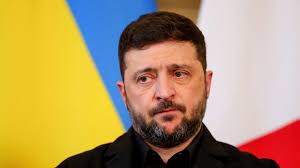
President Zelensky has been firm in his declaration, stating that he has “no legal or moral right” and is, in fact, legally prohibited under Ukrainian law from giving up any territory, including the Russian-occupied eastern Donbas regions or Crimea.
This unyielding stance on territorial integrity forms the fundamental red line of Ukraine’s peace plan, ensuring that Russia’s use of military aggression is not rewarded with permanent control over sovereign Ukrainian land. T
The diplomatic efforts involve a delicate balancing act, as Zelensky met with leaders from the UK, France, and Germany to align European strategy and strengthen Kyiv’s negotiating hand against pressure from the US administration to quickly accept a settlement.
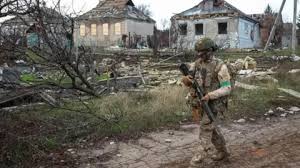
The current diplomatic momentum is largely centered around revising the initial US-drafted framework, which has since been reportedly trimmed down to around 20 points after European and Ukrainian objections helped remove what were termed “explicitly anti-Ukrainian provisions.
” Key sticking points, however, remain, including the future control of the disputed Donbas region and the status of the Russian-occupied Zaporizhzhia nuclear power plant, Europe’s largest. Beyond territory,
Ukraine’s broader diplomatic strategy, encapsulated in its original 10-Point Peace Formula—which advocates for complete Russian withdrawal, the restoration of justice for war crimes, and firm security guarantees against future aggression—continues to guide its approach.
This comprehensive formula seeks not just a ceasefire, but a just and lasting peace that restores the rules-based international order, rather than a mere temporary truce that leaves Ukraine permanently weakened and vulnerable to renewed attacks.
The challenge for Kyiv is securing a framework that satisfies the security needs of a future non-aligned Ukraine while maintaining the indispensable unity of its Western partners against Russia’s unwavering demands
About the Author