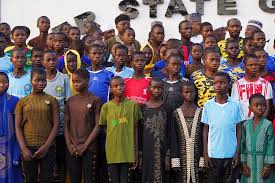

The Nigerian government recently secured the release of 100 schoolchildren who were abducted by gunmen from St. Mary’s Catholic co-educational boarding school in the Papiri community of north-central Niger State last month, bringing a wave of relief mixed with persistent anguish for the wider community.
The mass abduction, which occurred on November 21, 2025, initially involved approximately 315 students and 12 staff members and marked a grim resurgence of the mass school kidnappings reminiscent of the infamous 2014 Chibok incident.
Following the attack, about 50 of the abductees managed to escape in the immediate aftermath, leaving over 260 individuals in the hands of their captors, who are widely believed to be armed criminal gangs known as “bandits” operating for ransom.
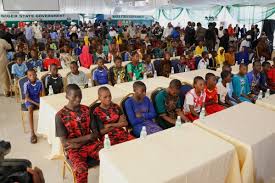
The release of the 100 children was confirmed by Nigerian presidential and UN sources, with the children, aged between 10 and 17, being transported to the Niger State Government House in Minna for medical checks before an expected reunion with their desperate families.
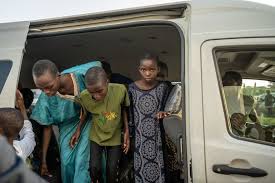
However, the joyous news of this initial release is tempered by the grim reality that more than 150 students and all 12 teachers from St. Mary’s still remain in captivity. The authorities have provided minimal details on the nature of the rescue—specifically,
whether it involved negotiation, a ransom payment (which officials typically deny despite common analyst belief), or a military operation—leaving parents and the public anxious about the fate of those still held. Furthermore, the St. Mary’s incident was part of a broader wave of mass abductions that swept across northern Nigeria in November,
targeting a church and a school in neighbouring Kebbi State, underscoring the severe and rapidly deteriorating security crisis in the region. The persistent abductions for ransom have cemented themselves as a structured, profit-seeking industry, putting immense pressure on President Bola Tinubu’s administration to fulfil its constitutional duty to protect its citizens.
In response to the crisis, the Niger state government had previously ordered the immediate closure of all schools, highlighting the devastating impact of these attacks on the education system in While the return of the 100 children offers a beacon of hope,
it also intensifies the urgency for the Nigerian government to devise a comprehensive and effective strategy to secure the release of all remaining hostages and dismantle the criminal networks that continue to terrorise educational institutions and communities.
About the Author