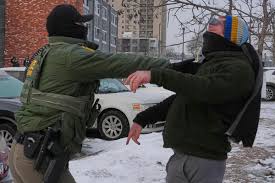
In January 2026, Minnesota became the epicenter of a national crisis following a series of fatal shootings involving federal immigration agents. These incidents occurred during “Operation Metro Surge,” a massive deployment of roughly 3,000 Immigration and Customs Enforcement (ICE) and Customs and Border Protection (CBP) agents to the Twin Cities. The crackdown, initiated by the Trump administration in December 2025, was ostensibly aimed at “criminal illegal aliens” but quickly drew intense criticism for its aggressive tactics and the resulting deaths of U.S. citizens.
The Fatal Shootings
The crisis escalated through two primary fatal encounters that sparked widespread unrest:
Renée Good (January 7, 2026): A 37-year-old mother and U.S. citizen was shot and killed by an ICE officer while in her vehicle. Agents claimed she attempted to ram them, but bystander footage showed the officer stepping in front of her car before firing.
Alex Jeffrey Pretti (January 24, 2026): A 37-year-old ICU nurse and lawful gun owner was fatally shot by a Border Patrol agent during a protest against the crackdown. While federal officials alleged Pretti was a “domestic terrorist” who brandished a weapon, multiple bystander videos showed him holding only a cellphone. Footage indicated that agents had already disarmed him of his permitted sidearm before opening fire.
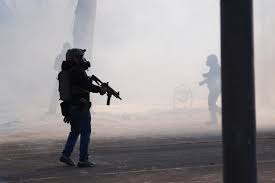
Local and Federal Conflict
The shootings triggered a breakdown in federal-state relations. Governor Tim Walz described the federal operations as “organized brutality” and activated the Minnesota National Guard to manage the resulting protests. Meanwhile, Minneapolis Police Chief Brian O’Hara reported that federal agents actively blocked state investigators from crime scenes, even after local authorities obtained judicial search warrants. This led to emergency lawsuits by the State of Minnesota to preserve evidence and limit federal authority.
Political and Social Impact
The administration’s rhetoric, led by figures like Stephen Miller and Secretary Kristi Noem, framed the operations as a necessary “war” against crime and fraud in the Somali-American community. However, the deaths of innocent bystanders and citizens like Pretti and Good fueled a “general strike” by local businesses and daily protests in sub-zero temperatures. Critics argue these “killer agents” have operated with a level of impunity that undermines the rule of law, while the federal government maintains that the force used was a defensive necessity in a dangerous environment.
About the Author