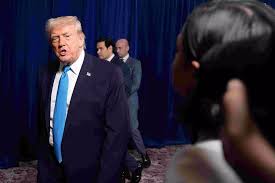
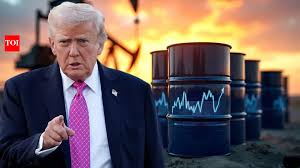
The announcement by President Donald Trump regarding the acquisition of 30 to 50 million barrels of Venezuelan oil marks a significant turning point in both American energy policy and South American geopolitics.
On January 6, 2026, President Trump stated that the interim authorities now in place in Caracas would turn over this vast quantity of “high-quality, sanctioned oil” to the United States. A central component of this plan is that the crude will be sold at its current market price—estimated at roughly $55 to $60 per barrel—with the resulting revenue, potentially totaling up to $3 billion, being placed under the direct control of the President.
Trump emphasized that these funds are intended to be utilized for the mutual benefit of the American and Venezuelan people, though the specific legal mechanisms for this “presidential control” over foreign oil proceeds have already sparked debate among constitutional scholars regarding the “Power of the Purse.” To facilitate the immediate movement of these resources, Energy Secretary Chris Wright has been tasked with coordinating the logistics of transporting the oil via storage ships directly to unloading docks along the U.S. Gulf Coast.
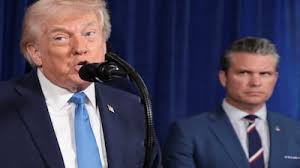
While 50 million barrels represents a substantial volume, experts note it accounts for only about two and a half days of total U.S. petroleum consumption, which averages 20 million barrels per day. However, the symbolic and strategic value of the deal is immense, as it signals the beginning of a massive effort to “fix” Venezuela’s dilapidated oil infrastructure using American expertise and capital.
The Trump administration has invited executives from energy giants like Chevron, ExxonMobil, and ConocoPhillips to the White House to discuss multi-billion dollar reinvestments, with the President asserting that the Venezuelan oil industry was originally built by American talent and was “stolen” during the nationalization campaigns of the socialist era.
This move is seen as a pragmatic “Art of the Deal” approach, attempting to stabilize global energy prices while securing a dominant position for U.S. firms in the country with the world’s largest proven crude reserves.
By securing this initial transfer at market rates rather than the deep discounts previously offered to countries like China or India, the Trump administration is effectively cutting out intermediaries and asserting direct influence over the global oil flow.
This move is part of a broader “maximum pressure” and “maximum opportunity” strategy that treats energy security as a pillar of national defense. As the U.S. military maintains a presence offshore to guarantee security, the administration believes this deal will serve as a catalyst for a democratic transition while providing tangible economic relief to Americans through a more stable supply chain.
Furthermore, the legal status of the proceeds remains a focal point of friction; while the President asserts oversight of the funds to ensure they are used for reconstruction and humanitarian aid, critics in Congress argue that such revenue must be managed through traditional legislative channels.
Despite these domestic political skirmishes, the administration’s focus remains on the rapid movement of tankers from the Venezuelan coast to U.S. refineries, effectively integrating the world’s largest oil reserves back into the American-led economic orbit and setting the stage for a long-term revival of the Venezuelan energy sector.
About the Author