In a dramatic escalation of geopolitical conflict that has stunned the world, the political landscape of South America was fundamentally altered on January 3, 2026, when the United States launched Operation Absolute Resolve, a high-stakes military strike targeting the heart of Caracas. This audacious mission resulted in the capture and extrajudicial removal of President Nicolás Maduro and First Lady Cilia Flores, who were subsequently transported to the United States to face federal narco-terrorism and cocaine importation charges in the Southern District of New York.
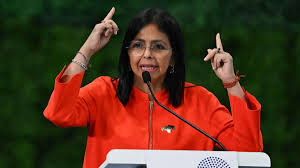
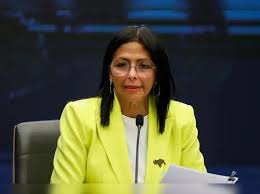
In the immediate power vacuum following the raid, Venezuela’s Constitutional Chamber of the Supreme Court intervened, ordering Vice President Delcy Rodríguez to assume the role of Interim President to ensure “administrative continuity and the comprehensive defense of the nation.”
Today, January 5, 2026, as Maduro is scheduled for arraignment in a Manhattan courtroom, Rodríguez has taken a defiant stance against Washington by officially naming a high-level commission tasked with securing the release and return of the deposed leader, whom she continues to recognize as the “only rightful President” of the Bolivarian Republic.
This commission, co-chaired by her brother and National Assembly President Jorge Rodríguez along with Foreign Minister Yván Gil, represents a desperate diplomatic and legal counter-offensive against what Caracas labels “brutal imperialist aggression.”
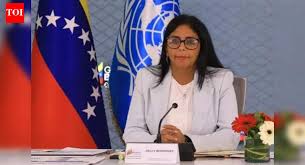
The tension has been further inflamed by the rhetoric emanating from the White House; President Donald Trump has publicly declared that the United States is effectively “in charge” and intends to “run” Venezuela until a transition deemed “safe and professional” can be established, even suggesting that the U.S. will directly manage the country’s vast oil infrastructure—the largest proven reserves in the world.
Trump has also issued a chilling ultimatum to Delcy Rodríguez, warning that she will pay a “bigger price than Maduro” if she fails to cooperate with American directives. This standoff has triggered a global diplomatic crisis, with the United Nations Secretary-General and leaders from Russia, China, and Brazil condemning the U.S. action as a “dangerous precedent” that violates international law and the UN Charter.
Within Venezuela, the capital remains under a state of emergency, with sporadic reports of casualties among Maduro’s security detail and growing uncertainty about the military’s ultimate loyalty to the new interim administration.
As the “Rodríguez Commission” begins its work, global markets are bracing for extreme volatility, with oil prices surging and investors weighing the potential for a protracted regional conflict or a total collapse of the Venezuelan state.
The situation remains fluid and highly volatile, as the world watches whether this commission can find any diplomatic leverage to challenge the unprecedented move of a sitting head of state being forcibly brought to trial in a foreign land.
About the Author