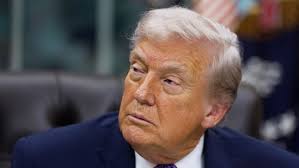
During the high-profile launch of the ‘Trump Gold Card’ visa program at a White House roundtable, President Donald Trump specifically lamented that highly-skilled international students, including those from India, are forced to leave the United States after graduating from top universities, calling the situation a “shame” and “ridiculous.” Speaking alongside prominent technology CEOs like IBM’s Indian-American Arvind Krishna and Dell Technologies’ Michael Dell, Trump addressed the long-standing complaint from American companies: that they lose the world’s best talent due to rigid and unpredictable immigration rules, such as the arduous H-1B process and the near-impossibility of securing a permanent Green Card.
Trump vividly articulated the problem, stating that students who “graduate number one from your college, Wharton, Harvard, MIT, you still have to go back to India, they have to go back to China, they have to go back to France, they have to go back to wherever they came from. Very hard to stay. It’s a shame. It’s a ridiculous thing.
We’re taking care of that.” He emphasized that his administration viewed these graduates, particularly those excelling in fields critical to the US economy, as “tremendous people” and a “gift of getting somebody great coming into our country.”

The purpose of this public condemnation of the existing system was to position the newly launched Gold Card as the definitive solution to this brain drain.
The program, which offers an expedited path to US residency and eventual citizenship in exchange for a significant financial contribution (a $1 million gift for individuals or $2 million for corporate sponsorship of an employee), is explicitly designed to provide employers with “certainty” when hiring.
Trump confirmed that he had heard directly from executives like Apple CEO Tim Cook about the “real problem” of students being “thrown out of the country” shortly after their graduation.
The Gold Card, which he described as “much better, much more powerful” than a Green Card, aims to allow companies to simply “buy a card” to retain these top foreign graduates for a very long period, thus ensuring the US benefits from the talent it has educated.
By singling out India (and China) as prime examples of countries benefiting from this American policy failure, Trump framed the Gold Card as both a talent retention strategy and a lucrative revenue stream, predicting it would bring in “many billions of dollars” for the US government.
About the Author