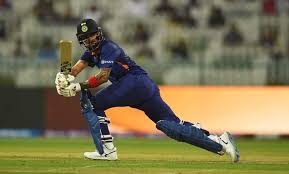
The recent selection of the Indian squad for the 2026 T20 World Cup has signaled a radical departure from traditional batting hierarchies, centering on the “finishing insurance” provided by the Rinku Singh and Hardik Pandya combo to liberate the top order.
By installing these two distinct yet complementary “axemen” at the backend of the lineup, the Indian team management—led by captain Suryakumar Yadav and coach Gautam Gambhir—has essentially removed the handbrake for aggressive batters like Abhishek Sharma, Sanju Samson, and Tilak Varma.
This tactical shift is predicated on the “knock-on effect”: when openers and middle-order anchors know that a collapse will not result in a stagnant run rate because Rinku and Hardik are waiting to “flick on the afterburners,” their threshold for risk-taking increases significantly.
As noted by analysts following the December 2025 squad announcement, this creates an “incendiary top eight” that functions like a supercharged relay, where each batter passes the baton of belligerence to the next without the need for a traditional “accumulator” or a classical batter to hold the innings together.
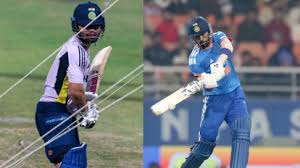
The synergy between Rinku and Hardik is built on their contrasting batting profiles, which together present a tactical nightmare for opposition bowlers. Hardik Pandya, since his return from injury in late 2025, has displayed a “murderous knick,” striking at 186 in recent domestic and international outings.
His style is characterized by a back-foot dominant, bottom-handed power that sends the ball in flat, laser-like trajectories down the ground; he punishes even a millimetre of error in a yorker with clinical precision.
In contrast, Rinku Singh, with his open stance and cleared front leg, specializes in high-arc, towering sixes that often disappear into the night sky, particularly over the extra-cover and mid-wicket regions.
Rinku’s ability to maintain a strike rate of 161.76 across 25 T20I innings while playing “high-risk, non-percentage shots” like ramps and reverse sweeps provides a left-handed counterpoint to Hardik’s right-handed swagger. This Left-Right combination ensures that bowlers cannot settle into a rhythm, as any change in strike forces immediate field adjustments and disrupts the line and length of even the most seasoned death-over specialists.
Furthermore, the “liberation” of the top order is visible in the exclusion of technically classical players like Shubman Gill in favor of role specialists.
The current team design operates like a “midfield without a defensive midfielder,” where every player from No. 1 to No. 8 is expected to start “spanking the ball from the get-go.
In this ecosystem, Rinku and Hardik act as the specialist finishing levers; they are no longer just “emergency” options but are primarily in the XI to maximize resource utilization in a non-emergency situation.
Their presence allows the top three to aim for 65–70 runs in the Powerplay without the psychological fear of being “exposed” if three wickets fall.
This depth ensures that the run rate never craters, transforming the Indian batting slab into a relentless attacking unit that prizes immediate impact over individual milestones.
By committing to this “pure aggression” template for the 2026 title defense, India has essentially bet on the fact that with Rinku’s mischief and Hardik’s confidence at the death, the rest of the lineup is finally free to play the “fearless” brand of cricket that the modern T20 format demands.
About the Author