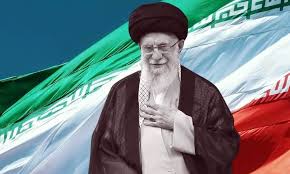
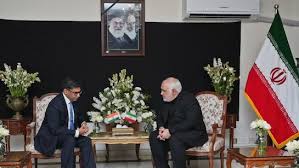
On March 5, 2026, India formally broke its “studied silence” regarding the tectonic shifts in West Asian geopolitics as Foreign Secretary Vikram Misri visited the Iranian Embassy in New Delhi to condole the death of Supreme Leader Ayatollah Ali Khamenei.
This high-profile diplomatic gesture, involving the signing of a condolence book on behalf of the Government of India, marks New Delhi’s first official reaction to the assassination of Khamenei, who was killed alongside members of his family in a joint US-Israel airstrike on Tehran on February 28.
During his visit, Misri held an intensive meeting with the Iranian Ambassador to India, Dr. Mohammad Fathali, conveying India’s deepest sympathies while navigating an incredibly volatile international landscape. The meeting took place against the backdrop of a rapidly widening conflict, which has seen the United States and Israel launch Operation Epic Fury to dismantle Iran’s nuclear and military command structures.
The atmosphere at the embassy was reportedly somber yet defiant; Ambassador Fathali used the occasion to launch a blistering verbal attack on Washington, asserting that the “Americans have broken the negotiating table” and accusing them of orchestrating an “atrocity at sea” following the recent torpedoing of the Iranian frigate IRIS Dena near the Sri Lankan coast.
For India, this visit represents a delicate recalibration of its “Strategic Autonomy.” For five days, the Indian government had refrained from a formal statement on the assassination, even as opposition parties criticized the silence and social media in India remained polarized.
However, the decision to send the Foreign Secretary to sign the condolence book reaffirms the “centuries-old civilizational ties” that link New Delhi and Tehran, particularly regarding the strategic Chabahar Port and regional connectivity.
India’s formal condolences are a calculated signal that, despite its growing proximity to the US-Israel security architecture, it remains committed to its long-standing partnership with Iran.
This diplomatic outreach is part of a broader “firefighting” mission led by Prime Minister Narendra Modi, who has been in constant telephonic contact with leaders across the Gulf—including the Sultan of Oman and the Crown Prince of Kuwait—to ensure the safety of the nearly nine million Indian expatriates caught in the crossfire of what many are now calling the Third World War.
The conversation between Misri and Fathali also touched upon the “Quiet Death” strike on the IRIS Dena, which Iran insists was a “guest of the Indian Navy” returning from exercises in Visakhapatnam when it was targeted by a US submarine.
The Iranian envoy’s warning that “the duration of the war is in our hands” and his insistence that Tehran would target any “bases” used for aggression suggests that the conflict is far from over. As India offers its sympathies for the fallen Supreme Leader, it finds itself in a precarious position, attempting to bridge the gap between a vengeful Iran and a determined US-Israel coalition.
The symbolic weight of Misri’s signature in the condolence book serves as a reminder that India refuses to let its historical relationships be entirely eclipsed by the current military storm.
As the IRGC launches its “nineteenth wave” of missile strikes and the US tests its Minuteman III doomsday missiles, India’s diplomatic presence at the Iranian embassy is a quiet plea for the “dialogue and diplomacy” that Prime Minister Modi has consistently championed as the only path out of a global catastrophe.
About the Author