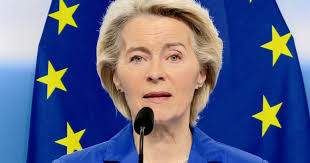
In a series of high-stakes diplomatic maneuvers, the European Union’s foreign policy chief, Kaja Kallas, has positioned Free Trade Agreements (FTAs) as the primary tool for Europe to achieve “strategic autonomy” and reduce its over-reliance on the world’s three major superpowers: China, Russia, and the United States. Speaking ahead of a landmark visit to New Delhi for India’s Republic Day on January 26, 2026, Kallas described the nearing completion of the India-EU FTA as a “strategic choice” rather than a mere economic necessity. This deal, often referred to as the “mother of all deals,” would create a unified market of 2 billion people and account for nearly 25% of global GDP, providing a massive alternative to the current dominance of the U.S. and Chinese markets.
The shift in rhetoric reflects a growing disillusionment in Brussels with its traditional allies and partners. The EU’s relationship with the United States has taken what Kallas described as a “big blow” following a week of heightened tensions, including the imposition of significant U.S. tariffs on European goods and geopolitical friction over the Arctic. By diversifying trade through FTAs with emerging giants like India and the recently approved deal with the Mercosur bloc in South America, the EU aims to shield its economy from the “weaponization of supply chains” and the unpredictability of American protectionism.
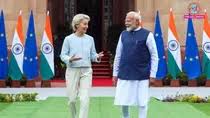
Similarly, the push for these agreements is designed to accelerate “de-risking” from China. The EU currently faces a massive trade deficit with Beijing (which reached over €300 billion in 2024) and remains wary of China’s “distortive industrial policies.” By shifting manufacturing dependencies and critical material sourcing to more “reliable partners” like India, the EU hopes to weaken China’s economic leverage. Meanwhile, the FTA serves as a final nail in the coffin for Russian energy and defense influence in Europe. Kallas emphasized that while Russia has used energy for “political blackmail,” the new Security and Defence Partnership being signed alongside the trade deal offers India and other partners a high-tech, reliable alternative to Russian military hardware.
This “middle path” diplomacy seeks to foster a multipolar world where the EU is not a spectator in a G2 struggle between Washington and Beijing. However, the path is fraught with challenges; internal EU divisions over agricultural protections and India’s continued (though declining) purchase of Russian oil remain sticking points. Nevertheless, as European Council President António Costa and Commission President Ursula von der Leyen arrive in New Delhi, the message is clear: the EU is no longer willing to be a dependent variable in the foreign policy of other superpowers. It is using its massive consumer market as a diplomatic shield, attempting to build a “Stability Union” through trade that can withstand the volatile shocks of 2026’s global politics.
About the Author