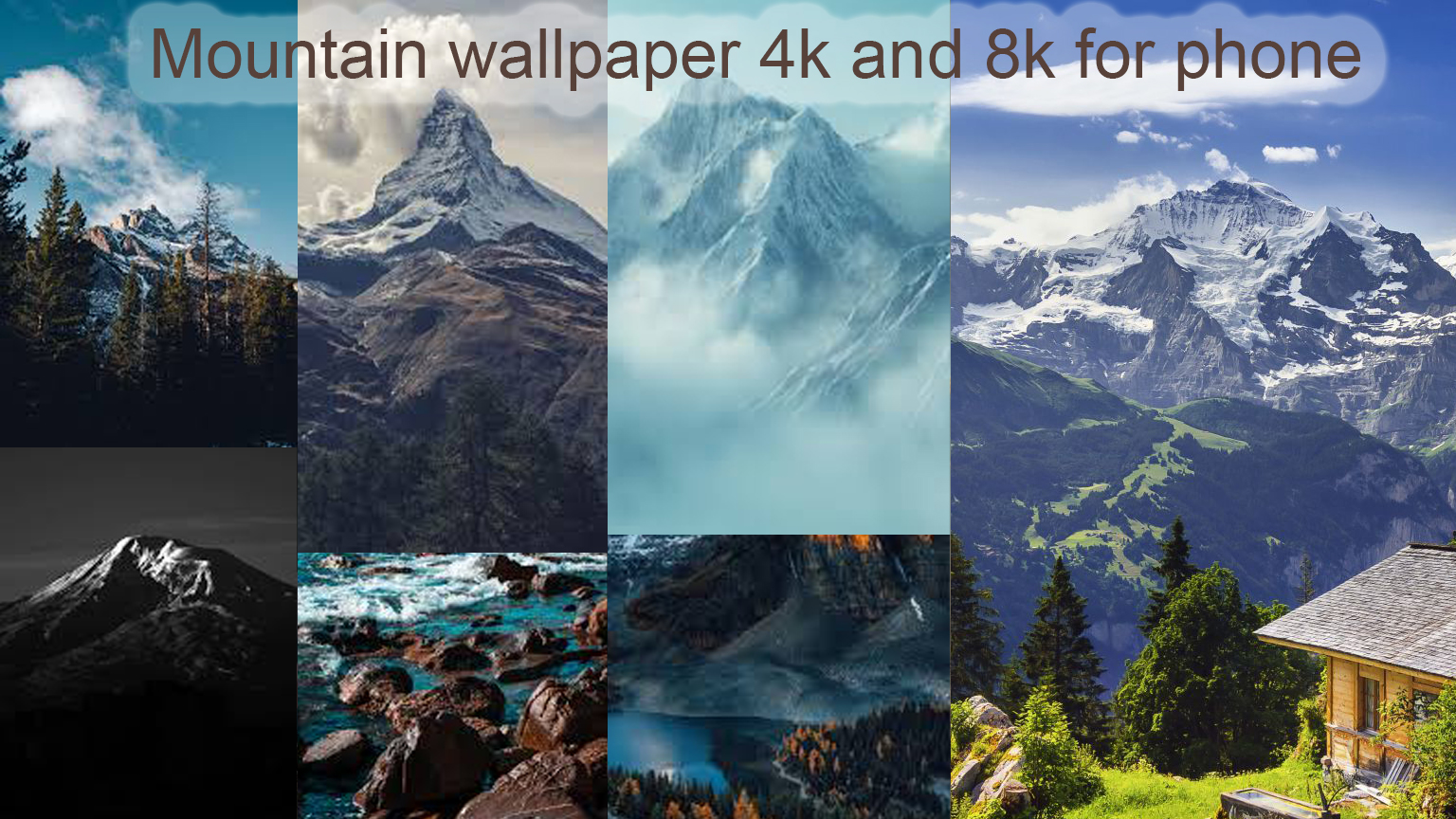


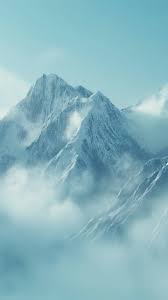
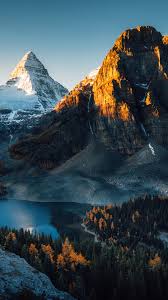
Mountain wallpapers in 1$4\text{K}$ and 2$8\text{K}$ resolutions for phones offer an immersive, ultra-high-definition aesthetic that capitalizes on the majestic beauty of nature.3 The core appeal lies in the sheer pixel density, where 4$4\text{K}$ resolution typically translates to 5$3840 \times 2160$ pixels, and 6$8\text{K}$ to a massive 7$7680 \times 4320$ pixels.
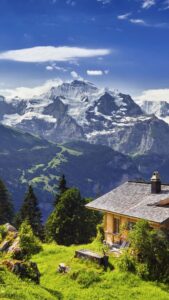




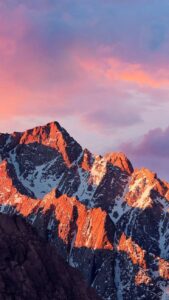

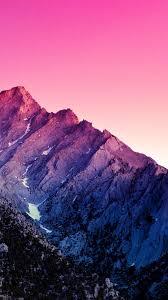
The availability of $8\text{K}$ wallpapers is a recent development, often sourced from professional photography, high-resolution digital art, or downscaled from original $8\text{K}$ video footage. While a typical phone screen today may only be $1080\text{p}$ or $1440\text{p}$ (which falls short of full $4\text{K}$), using a high-resolution image offers two primary benefits: superior quality from “downsampling” and “future-proofing.”
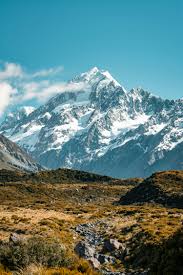
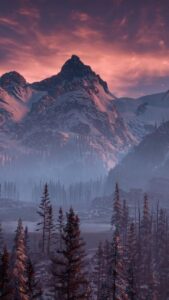
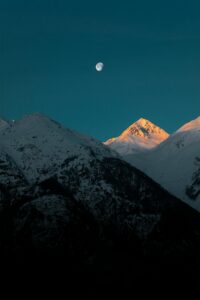
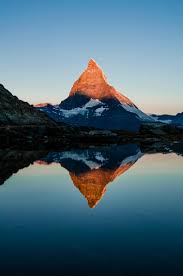
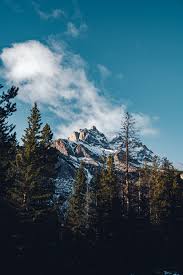
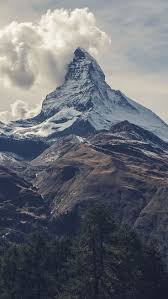
8 On a phone’s relatively small screen, this immense pixel count provides a level of detail that is nearly imperceptible to the human eye for a single pixel, yet the overall visual experience is one of breathtaking clarity and depth. For a mountain landscape, this means seeing the fine texture of rock faces, the crisp definition of snow-capped peaks, and subtle gradations of color in an alpine sunrise without any pixelation or blur, making the image appear hyper-realistic. Downsampling means the phone’s operating system processes the rich $4\text{K}$ or $8\text{K}$ source image to fit the screen’s native resolution, resulting in a cleaner, sharper, and more vibrant final display compared to a lower-resolution source.
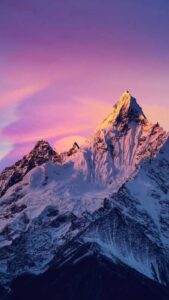
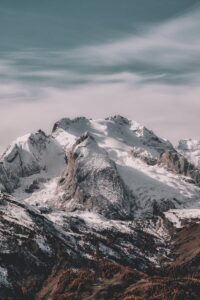
Furthermore, as phone display technology rapidly advances toward higher pixel densities, these $4\text{K}$ and $8\text{K}$ wallpapers are prepared for the next generation of ultra-crisp screens. They are widely available on stock image platforms and dedicated wallpaper apps, often tailored to vertical orientations to perfectly fit the aspect ratio of modern smartphones.
About the Author