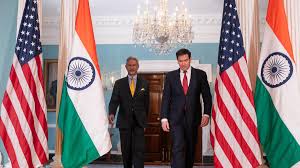
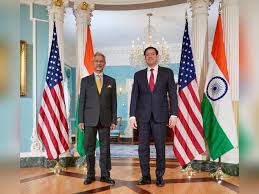
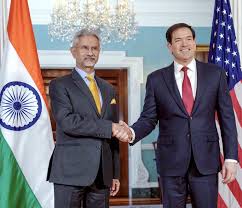
On Thursday, February 5, 2026, External Affairs Minister S. Jaishankar signaled a historic turning point in Washington D.C., announcing that the India-U.S. trade deal has entered its “final stages of detailing.” Coming off the back of a high-stakes three-day visit, Jaishankar’s meetings with the U.S.
Secretary of State Marco Rubio and Treasury Secretary Scott Bessent have effectively thawed a year of icy trade tensions. The deal is not merely a collection of tariff adjustments; it represents a fundamental recalibration of the world’s two largest democracies.
Jaishankar emphasized that this agreement will open a “new phase” in bilateral ties, shifting the relationship from a series of transactional squabbles to a deep, integrated strategic partnership.
The Big Numbers: Tariffs and Trade
The headline of this “historic” agreement is a dramatic reduction in U.S. tariffs on Indian goods. Following a direct phone call between Prime Minister Narendra Modi and President Donald Trump earlier this week, the U.S. agreed to slash effective tariffs from a punishing 50% down to 18%.
This 50% peak had been a combination of reciprocal duties and a 25% penalty linked to India’s continued purchase of Russian crude oil. By removing these punitive layers, the deal restores the competitiveness of Indian exports, particularly in labor-intensive sectors.
About the Author