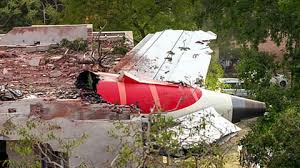
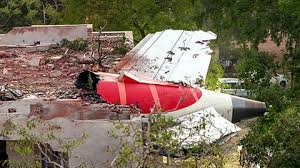
The latest development in the investigation of the tragic Air India flight AI-171 crash has ignited a fierce confrontation between the aviation community and the Aircraft Accident Investigation Bureau (AAIB). On January 15, 2026, the AAIB summoned Captain Varun Anand, a serving Air India pilot and the nephew of the late Captain Sumeet Sabharwal, who was the Pilot-in-Command during the June 12, 2025, disaster.
This move has triggered a wave of protests from the Federation of Indian Pilots (FIP), which has issued a formal legal notice to the AAIB, characterizing the summons as an “act of harassment” against a grieving family.
The pilots’ body argues that Captain Anand has no technical or factual connection to the accident, as he was not present at the site nor part of the flight crew, and they contend that summoning him solely due to his familial ties is a violation of international aircraft investigation protocols.
This escalation occurs as the official probe enters a contentious phase, with pilots and family members accusing the government of pushing a “preconceived narrative” designed to blame the deceased crew rather than addressing potential systemic or mechanical failures.
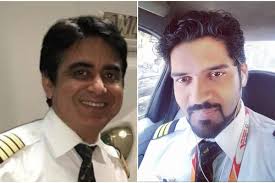
The controversy is rooted in the horrific crash of the Boeing 787-8 Dreamliner in Ahmedabad last year, which claimed the lives of 260 people after the aircraft plunged into a medical college complex moments after takeoff.
While the AAIB’s preliminary report released in July 2025 attributed the disaster to “human error,” the pilot’s family and several aviation experts have pointed toward a critical fuel cut-off to both engines as the true cause. The late captain’s father, Pushkar Raj Sabharwal, has been vocal in defending his son’s legacy, recently moving the Supreme Court of India to seek a judicially monitored, independent inquiry.
He alleges that the current probe is biased and incomplete, disregarding technical data that suggests a mechanical malfunction. The FIP supports this stance, suggesting that the investigation team—comprising officials from the DGCA and other state authorities—is effectively “investigating itself,” creating a conflict of interest that undermines the credibility of the final report.
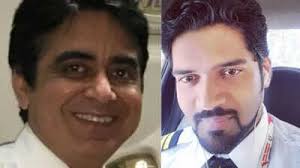
Adding to the complexity, the summons to Captain Anand was reportedly preponed from January 19 to January 15 with minimal notice, further fueling the perception of intimidation. The FIP’s legal notice highlights that such actions cause immense emotional distress to the family, who are already struggling with the loss of Captain Sabharwal, a veteran with over 15,600 flying hours.
The pilots’ union has warned that if the AAIB continues to target family members instead of focusing on technical safety-oriented investigations, it could lead to widespread operational unrest within the airline.
Meanwhile, legal pressure is mounting globally; families of the victims have filed lawsuits in London and the United States, targeting both Air India and Boeing, alleging that faulty fuel switches and systemic oversights were the primary catalysts for the crash.
As the final report from the AAIB looms, the divide between the official government narrative and the pilot community continues to widen, transforming a technical investigation into a high-stakes battle for accountability and professional reputation.
About the Author