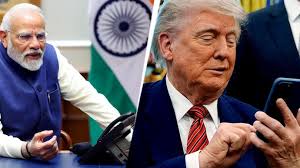
In early 2026, a significant diplomatic controversy emerged following claims by U.S. Commerce Secretary Howard Lutnick that a high-stakes India-U.S. trade deal collapsed because Prime Minister Narendra Modi “did not call” President Donald Trump at a critical juncture. According to Lutnick, the deal was “all set up,” but required a final personal outreach from Modi to the President to “close” it—a call that he claims India was “uncomfortable” making.
This silence allegedly allowed the “train to leave the station,” as Washington instead finalized agreements with competitors like Vietnam and Indonesia at higher tariff rates. While the Indian Ministry of External Affairs (MEA) has officially dismissed this characterization as “inaccurate,” citing that the two leaders actually spoke eight times in 2025, the underlying tension highlights a shift in the “bromance” that once defined their relationship. Analysts suggest several strategic and political reasons why Modi might have avoided specific high-pressure calls or personal face-offs with Trump during this period.
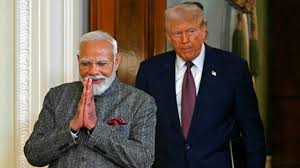
A primary factor was Trump’s unpredictable and often hyperbolic public messaging, particularly on the sensitive issue of India-Pakistan relations. Following a four-day military conflict in May 2025, Trump repeatedly claimed on social media and at public rallies that he had personally “mediated” the ceasefire between the two nuclear-armed neighbors. This narrative was anathema to India’s long-standing policy of bilateralism, which rejects third-party intervention in Kashmir.
Reports from insiders suggest that the Modi government feared any direct conversation or joint press appearance would be “misrepresented” by Trump on platforms like Truth Social, potentially creating a domestic political disaster for the BJP during crucial state elections in Bihar. Avoiding a call or a “pull-aside” meeting at summits like the ASEAN meeting in Malaysia was seen as a way to deny Trump the opportunity to claim a “win” at India’s expense or to pressure Modi into a public photo-op with Pakistani leadership.
Furthermore, the relationship turned increasingly transactional as Trump’s “reciprocal tariff” strategy began to bite. In August 2025, the U.S. imposed a massive 50% tariff on Indian exports, with half of that specifically designated as a penalty for India’s continued purchase of Russian oil.
For Modi, “strategic autonomy” is a non-negotiable pillar of Indian foreign policy; being seen as “bowing” to a phone call demand or making concessions under the threat of a “shot clock” (the “three Fridays” deadline mentioned by Lutnick) would have looked like a surrender of national sovereignty.
There was also a tactical concern regarding the “staircase” approach to trade deals; Indian negotiators felt that the terms being offered were deteriorating as other nations signed on, and they were wary of owning a “bad deal” that could harm India’s MSMEs and agricultural sector. By opting for formal diplomatic channels rather than direct “leader-to-leader” phone bargaining, Modi aimed to protect the dignity of his office and avoid being cornered into a public compromise that the volatile American president could later use as leverage for even steeper demands.
About the Author