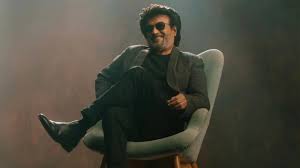
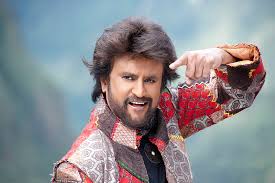
On the occasion of his 75th Birthday on December 12, the world celebrates not just the cinematic force known as Rajinikanth, but the phenomenal journey of the man born Shivaji Rao Gaikwad, whose life story is far more extraordinary and inspiring than his on-screen heroics.
While his trademark style—the cigarette flip, the sunglass toss, and the powerful punch dialogue delivery—are legendary, many fans overlook the fascinating details of his life before superstardom and his deeply private personal values that continue to define him.
Born into a modest Marathi family in Bengaluru, his father was a police constable, and young Shivaji Rao endured financial hardship and the loss of his mother at a young age, experiences that instilled a profound sense of humility.
Before the cameras, Rajinikanth was a man of numerous manual trades, working briefly as a coolie and a carpenter, but it was his job as a bus conductor for the Bangalore Transport Service (BTS) that provided him with his first informal ‘stage.
‘ Known for his energetic ticket-punching, unique whistle calls, and dramatic passenger interactions on the Shivaji Nagar-Samrajpet route (Route 134, as he often recalls), he effectively auditioned for his future career every single day. This charisma, already honed in Kannada stage plays during his youth, eventually led him to the Madras Film Institute.
Upon entering the film industry, Rajinikanth was quickly discovered by the legendary director K. Balachander, who encouraged the non-Tamil-speaking young actor to learn the language and gave him his debut in Apoorva Raagangal (1975).
Unlike the convention of that time, Rajinikanth did not immediately step into the hero’s shoes; for the first few years of his career, he almost exclusively played antagonistic roles—ranging from an abusive husband to a womanizer—mastering the art of portraying a villain with such unique panache that he became popular even in negative roles.
His first positive lead role came in 1977 with Bhuvana Oru Kelvikkuri, marking his decisive turn toward heroism. What is also often overlooked is his multilingual versatility; though primarily the face of Tamil cinema, he has acted in films across six languages, including Hindi, Telugu, Kannada,
Malayalam, and even a single Bengali film, showcasing an early pan-Indian appeal that predated the current trend. Furthermore, his early success was astonishingly rapid, reportedly completing his first 50 films in just four years—an incredible pace that speaks to his immense demand and tireless work ethic.
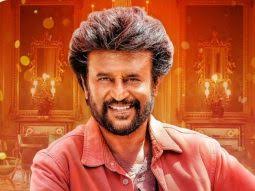
Beyond the cinematic achievements, Rajinikanth’s personal philosophy and lesser-known professional decisions illustrate the man behind the myth.
He is a deeply spiritual person, known for his frequent, anonymous trips to the Himalayas for meditation and reflection, a ritual he undertakes to cleanse himself of the ‘Superstar’ persona after every film release.
His discipline extends to his rigorous personal life, where he is known to practice yoga and reportedly maintains fitness by strictly avoiding certain “white foods” like sugar, white salt, and maida (refined flour). Professionally, he is the only Indian actor whose life journey has been included in the CBSE school syllabus in a lesson titled ‘From Bus Conductor to Superstar,’ making him an educational case study in perseverance.
He also holds a profound and unusual respect for the theatrical experience: the blockbuster film Padayappa (1999), the story of which he himself conceived, was intentionally kept off all OTT platforms and repeated television broadcasts for over 25 years.
This was a personal decision, reflecting his belief that the film was a kondattam (celebration) meant to be experienced only on the big screen with his fans, a decision that speaks volumes about his commitment to cinema as a collective, public event.
His enduring humility, despite being one of the highest-paid actors in Asia, continues to be a defining factor that ensures his status as a living legend, proving that his simple, authentic self shines brighter than his cinematic aura
About the Author