
The transformation of Malayalam cinema over the last 25 years represents a dramatic and deliberate pivot from an era often criticised for its creative stagnation and formulaic reliance on ‘superstar’ tropes, to its current status as a beacon of realistic, globally-acclaimed storytelling.
The early 2000s were widely regarded as a ‘dark phase’ where the industry, in an attempt to emulate the larger-than-life commercialism of neighbouring Tamil and Telugu industries, succumbed to repetitive, hyper-masculine narratives.
During this period, the focus shifted away from the strong, literary-backed scripts and grounded characters that defined its 1980s golden age, leading to a glut of low-quality, imitative films—the so-called “stinkers”—that alienated the traditional family audience who instead turned to television serials and dubbed films.
The dominant megastars, while immensely popular, often drove content built around their specific heroic images, stifling space for fresh concepts and realistic portrayals. This creative vacuum reached a breaking point, setting the stage for a cinematic renaissance.
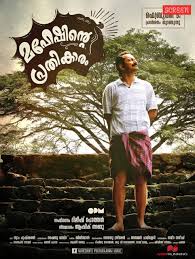
The pivotal shift began in the late 2000s and truly exploded with the ‘New Generation’ movement of the early 2010s, marked by films like Traffic (2011), Salt N’ Pepper (2011), and 22 Female Kottayam (2012).
This was not merely a change in style, but a complete structural overhaul driven by an influx of young, digitally-native directors (like Aashiq Abu, Lijo Jose Pellissery, and Dileesh Pothan) and a new wave of actors (Fahadh Faasil, Nivin Pauly, Parvathy Thiruvothu) who were image-agnostic and prioritised the script.
The movement was characterised by radical realism: stories moved from the idealized village to the nuanced, often gritty urban landscape of Kochi; characters became flawed, ordinary men and women dealing with relatable, contemporary issues; and technical aspects embraced natural lighting, experimental narratives (like hyperlink structure), and authentic regional dialects.
This commitment to rooted, high-quality writing and naturalistic acting—the industry’s core historical strength—resurfaced with a modern sensibility.
Furthermore, the technological revolution and the rise of OTT platforms (like Netflix and Amazon Prime Video) served as the definitive catalyst for this global recognition in the 2020s. Malayalam cinema found a direct route to pan-Indian and international audiences, proving that content strength trumps scale.
Films like The Great Indian Kitchen (2021), Joji (2021), and the pan-Indian theatrical success of Manjummel Boys (2024) showcased diverse genres—from socio-political commentary to survival thrillers—that maintained a distinct local flavour while resonating universally.
The digital space not only broadened the market but also democratised the filmmaking process, allowing small-budget, content-rich films to achieve spectacular success and solidifying Malayalam cinema’s reputation as the “thinking man’s cinema” and the true face of the new, sophisticated Indian film landscape
About the Author