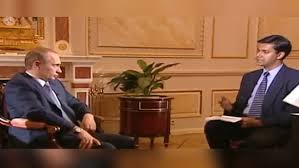
In a highly significant and retrospective interview given to NDTV in December 2002, Russian President Vladimir Putin spoke candidly on a host of high-stakes geopolitical issues, delivering comments that, in hindsight, appear eerily prophetic about the challenges that would define the next two decades.
The interview, conducted during a period of intense global focus on the ‘War on Terror’ following the 9/11 attacks, saw Putin address major concerns over terrorism, the location of Osama bin Laden, the dangers emanating from Pakistan, and the controversy surrounding nuclear weapons proliferation.
On the issue of terrorism, Putin strongly backed India’s position, aligning Moscow with New Delhi’s concerns about cross-border militancy. He made statements regarding the existence of terror camps within Pakistan, acknowledging them as a genuine concern for both Russia and India—a clear condemnation of Islamabad’s failure to dismantle the infrastructure of terror.
More chillingly, when questioned about the whereabouts of Osama bin Laden, who was still on the run following the US invasion of Afghanistan, Putin openly voiced his suspicion that the Al-Qaeda leader was likely hiding in Pakistan, a belief that was ultimately confirmed nearly a decade later with bin Laden’s discovery in Abbottabad.
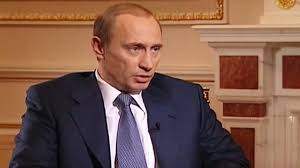
Furthermore, the Russian leader addressed the growing concern over the development of weapons of mass destruction (WMD), specifically in the context of the looming US-led invasion of Iraq over WMD allegations against Saddam Hussein.
While expressing Russia’s shared concern that nations should not possess WMDs, Putin carefully measured his response, advocating for the continued use and adaptation of established international instruments and tools to improve international relations and ensure compliance, rather than unilateral military action.
This measured stance reflected Russia’s general caution against interventionist foreign policy that bypassed established international bodies. The 2002 interview remains a crucial historical document, illustrating Russia’s early alignment with India on counter-terrorism and offering an unvarnished view of the then-nascent geopolitical landscape, which was already being shaped by the triple threats of terror, proliferation, and unilateralism.
About the Author