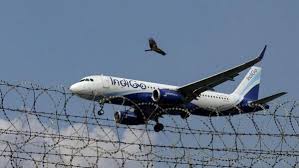
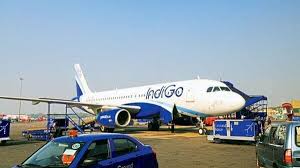
India’s largest domestic carrier, IndiGo, has been gripped by widespread operational chaos, resulting in the cancellation of over 70 flights and the delay of around 700 others across key metropolitan airports, including Bengaluru, Delhi, and Mumbai, leaving thousands of passengers stranded and frustrated during the peak travel season.
The crisis, which saw the airline’s traditionally high On-Time Performance (OTP) plummet to a staggering low of approximately 35%, is primarily attributed to a crippling crew and pilot shortage, exacerbated by the recent full implementation of stricter Flight Duty Time Limitation (FDTL) norms by the Directorate General of Civil Aviation (DGCA) in November 2025.
These new regulations, designed to ensure more humane rest periods for flight crew by increasing weekly rest to 48 hours and restricting night landings, have fundamentally altered pilot rostering requirements, finding the airline critically short on available manpower needed to maintain its extensive daily flight schedule of over 2,200 services. The shortage led to a cascading effect, where crew unavailability forced cancellations, which in turn delayed subsequent flights, with some passengers reporting delays of up to seven or eight hours.

The disruption has turned India’s busiest airports into scenes of considerable turmoil. In Bengaluru and Mumbai, dozens of flights were cancelled outright, compounding delays that had already begun the previous day. Delhi, the nation’s largest air traffic hub, bore the brunt of the delays, accounting for a significant portion of the roughly 700 delayed flights nationwide.
IndiGo, while acknowledging the inconvenience, issued a statement attributing the delays and cancellations to a combination of factors, including the operational fallout from the new FDTL norms, minor technology glitches, increased airport congestion, and schedule changes linked to the winter season. However, airport and industry sources consistently pointed to the acute crew crunch as the overriding issue, with reports even surfacing of cabin crew “no-shows” adding to the operational woes.
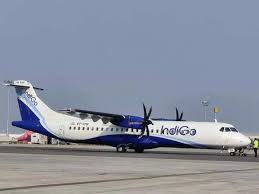
The airline is currently grappling with the complex challenge of adjusting its immense operational footprint to comply with the mandated rest periods, a transition that has clearly created a resource bottleneck that its current pilot strength cannot immediately overcome. The ongoing flight disruptions highlight the immense pressure on India’s aviation infrastructure and the immediate, widespread impact a single airline’s operational crisis can have on the nation’s air travel network, compelling the carrier to offer alternative flight options or refunds while struggling to normalize services.
About the Author