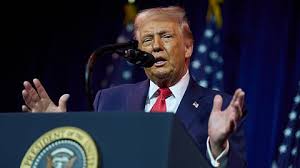
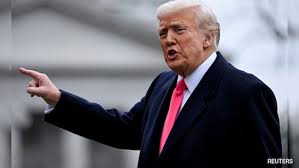
On Wednesday, January 7, 2026, President Donald Trump executed one of the most significant shifts in American foreign policy in nearly a century by signing a presidential memorandum to formally withdraw the United States from 66 international organizations, conventions, and treaties. This sweeping directive, which includes 31 United Nations entities and 35 non-UN organizations, marks the culmination of a year-long review ordered by Executive Order 14199 shortly after his 2025 inauguration.
Among the most consequential departures is the exit from the United Nations Framework Convention on Climate Change (UNFCCC), the 1992 foundational treaty for global climate diplomacy, and the Intergovernmental Panel on Climate Change (IPCC), the world’s leading scientific authority on global warming. By abandoning the UNFCCC, the United States becomes the only nation on Earth not party to the agreement, effectively dismantling decades of multilateral environmental cooperation.
The administration’s justification for this “a la carte” approach to global engagement is rooted in the belief that these institutions have “morphed into a sprawling architecture of global governance” that prioritizes “globalist agendas” over American sovereignty.
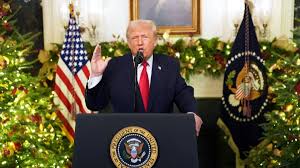
Secretary of State Marco Rubio and UN Ambassador Mike Waltz emphasized that the listed organizations were found to be “redundant, mismanaged, wasteful,” or captured by “progressive ideology” and “woke initiatives.” Specifically targeted were agencies focusing on social and environmental issues, such as the UN Population Fund, UN Women, UN Energy, and the International Solar Alliance.
The White House fact sheet argued that American taxpayer “blood, sweat, and treasure” should no longer fund bodies that promote “radical climate policies” or “DEI mandates” which the administration views as contrary to national prosperity. This mass withdrawal follows a series of previous exits in 2025 from the World Health Organization (WHO), UNESCO, and the UN Human Rights Council, as well as the suspension of funding for UNRWA.
Domestically, the move has been met with polarized reactions; supporters view it as a fulfillment of a primary “America First” campaign promise to stop subsidizing foreign bureaucrats, while critics, including Environmental Defense Fund Executive Director Amanda Leland, described it as a “strategic blunder” that isolates the U.S. and surrenders economic leadership in the burgeoning clean-energy sector to adversaries like China. International analysts, such as Daniel Forti of the International Crisis Group, characterized the policy as a “my way or the highway” vision of multilateralism that leaves the global community to navigate crises—ranging from migration and water scarcity to counterterrorism and trade—without the leadership of the world’s largest economy.
The timing of the memorandum is particularly striking, arriving amidst high geopolitical tension following the administration’s military actions in Venezuela and renewed rhetoric concerning Greenland, signaling a resolute pivot away from traditional diplomacy toward a more transactional, unilateral exercise of power.
As executive departments move to cease all funding and participation “as soon as possible,” the global architecture built after World War II faces its most existential challenge yet, leaving allies to question the future of collective security and the U.S. to redefine its role as a sovereign actor detached from the constraints of international consensus. By stripping away the legitimizing weight of U.S. participation, the Trump administration seeks to reclaim total autonomy, even if it means standing alone on the global stage.
About the Author