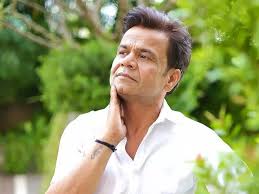
Following his release from Tihar Jail on interim bail in mid-February 2026, renowned Bollywood actor Rajpal Yadav has ignited a public conversation on the state of India’s penal system by advocating for modernized prison reforms that include the installation of designated, airport-like smoking rooms.
Yadav, who was granted temporary freedom until March 18 by the Delhi High Court in connection with a long-standing ₹9 crore cheque bounce case, articulated his vision for a “modernized” jail system from his ancestral village in the Shahjahanpur district.
Central to his argument is the assertion that the current infrastructure fails to differentiate between “hardened criminals” and “respectable people” who may have ended up behind bars due to a singular mistake or a financial dispute rather than a predisposition for violence.
He suggested that prisons should transition into true reform centers that provide structured opportunities for change, rather than remaining purely punitive environments.
Specifically, the Bhool Bhulaiyaa star called for the introduction of smoking zones similar to those found at major international airports or railway stations, noting that such facilities would bring a sense of order and contemporary standards to the prison environment.
While clarifying that he does not intend to promote tobacco use and has personally attempted to quit multiple times, Yadav argued that providing such amenities is a matter of upgrading jails “for today’s time.” He further proposed a radical rehabilitation concept inspired by the popular television game show Kaun Banega Crorepati (KBC).
Drawing a parallel to the show’s “lifelines,” Yadav suggested that the “bottom 10%” of inmates—those who have already been convicted and served a decade or more with exemplary conduct—should be granted a “lifeline” in the form of early release or rehabilitation programs. He posited that if these individuals are reintegrated into society and given a chance to contribute, they could become a strength for the country,
though he maintained that the law must remain supreme for those unwilling to reform. This period of incarceration followed the Delhi High Court’s rejection of his plea for more time to repay the outstanding debt to M/s Murali Projects Pvt Ltd, a case that dates back to a 2010 loan for his directorial debut, Ata Pata Laapata. Justice Swarana Kanta Sharma granted the interim suspension of his sentence only after the actor deposited ₹1.5 crore as part of the repayment process.
Throughout this legal ordeal, Yadav has received notable support from the Bollywood fraternity, with figures like Sonu Sood, Mika Singh, and Gurmeet Choudhary extending financial and moral assistance.
Despite the high-profile nature of his legal troubles, the actor has remained defiant and grateful, emphasizing that he seeks “time, not sympathy.” He noted that 2027 will mark his 30th year in the film industry and expressed deep gratitude to his fans across the country, whom he described as his “kaleje ka tukda” (pieces of his heart).
As he prepares to address these matters more formally in an upcoming press conference following a family wedding, Yadav’s focus remains on proving his “truth” and advocating for a more compassionate and modernized approach to incarceration that respects the dignity of those he classifies as “respectable” individuals caught in the legal system.
About the Author