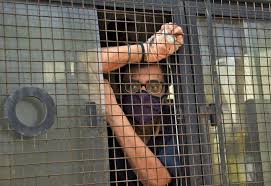
The most prominent instance of a high-profile news anchor being arrested for the alleged abetment of suicide involves Arnab Goswami, the Editor-in-Chief of Republic TV, who was arrested by the Maharashtra Police in November 2020. While there have been no major reports of a new high-profile anchor arrest in the first week of January 2026, the Goswami case remains the definitive reference for this legal issue in India due to its political and judicial implications.
The arrest was linked to a 2018 case involving the death of 53-year-old interior designer Anvay Naik and his mother, Kumud Naik. In a suicide note, Naik had allegedly named Goswami and two others, claiming that their companies owed him a collective sum of over $₹5.4$ crore for design work on television studios, and the non-payment of these dues had driven him to financial ruin and despair. The case was initially closed by the local Raigad police in 2019 for lack of evidence, but it was reopened in May 2020 following a plea from Naik’s daughter to the State Home Minister.
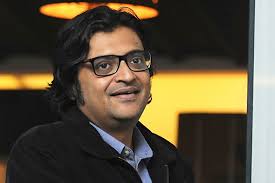
The dramatic arrest of Goswami from his Mumbai residence on a Wednesday morning sparked a nationwide debate regarding press freedom versus the rule of law. Supporters of the anchor claimed the arrest was an act of political vendetta by the then-state government in retaliation for his channel’s critical reporting on the Mumbai Police and state administration.
Conversely, critics and the victim’s family argued that the law must take its course regardless of the suspect’s professional status, emphasizing that a suicide note naming individuals is a serious basis for investigation under Section 306 of the Indian Penal Code (abetment of suicide).
The legal proceedings eventually reached the Supreme Court of India, which granted Goswami interim bail about a week after his arrest. In a landmark judgment, the bench, led by Justice D.Y. Chandrachud, emphasized the importance of personal liberty, famously stating that “if the constitutional court does not interfere today, we are treading on a path of destruction of liberty.”
The court highlighted that for a charge of abetment to stick, there must be evidence of direct or active instigation or an act that led the person to commit suicide, rather than just a commercial dispute or professional pressure.
The court warned against the “targeted harassment” of citizens by state machinery and instructed High Courts to be vigilant in protecting individuals from the misuse of criminal law.In more recent context—specifically looking at 2025 and early 2026—the media landscape has seen tragic incidents, such as the death of Telugu news presenter Swetcha Votarkar in mid-2025, which led to the arrest of an individual (not an anchor) for abetment.
Additionally, the first week of January 2026 saw the arrest of the wife of an Odia artist in a separate abetment case, which may be contributing to current discussions about these legal charges. However, the Arnab Goswami case remains the primary example where a news anchor’s arrest became a central point of constitutional debate regarding the threshold of “abetment” and the protections afforded to journalists against state-led criminal proceedings.
About the Author