The essential rotor part that must be fixed before the Advanced Light Helicopter (ALH) Dhruv can be fully returned to service with the Indian Navy and Coast Guard is the Non-Rotating Swashplate Bearing (NRSB), which is a key component within the helicopter’s rotor control system.
The Dhruv fleet of all four services (Army, Air Force, Navy, and Coast Guard) was grounded following a fatal Indian Coast Guard crash off Porbandar on January 5, 2025, which tragically killed three personnel. Investigations by the Defect Investigation Committee (DIC) pinpointed the cause of the crash to a fracture of the NRSB in the helicopter that crashed.
The swashplate assembly is a vital mechanical component that transmits the pilot’s control inputs from the stationary flight controls in the cockpit to the rotating main rotor blades, thereby controlling the helicopter’s pitch and movement. A fracture in this part compromises the pilot’s ability to control the aircraft, inevitably leading to a catastrophic failure.
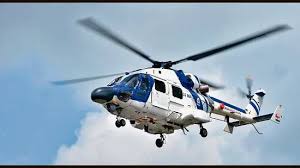
While the Army and Air Force variants of the Dhruv were cleared for operations earlier after comprehensive safety checks, the naval and Coast Guard variants remain grounded due to the specific challenges presented by their operational environment.
The DIC concluded that the NRSB issue is particularly critical for the Navy and Coast Guard’s 28 Dhruvs because they operate extensively in corrosive saline environments and routinely endure the mechanical stresses of deck landings on ships, which the Army and Air Force variants do not face to the same extent.
To address this persistent flaw and improve the component’s fatigue life in harsh maritime conditions, the DIC has recommended a crucial manufacturing process improvement for the NRSB.
Hindustan Aeronautics Limited (HAL) is tasked with implementing these necessary modifications—which include component redesign, replacement of vulnerable sub-systems, and changes to the inspection regime—in batches over the next few months.
This complex corrective action is expected to take around six months before the Navy and Coast Guard Dhruvs are fully cleared and phased back into operational service for their critical surveillance, transport, and search-and-rescue duties.
About the Author