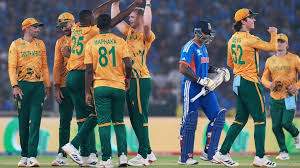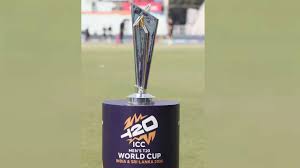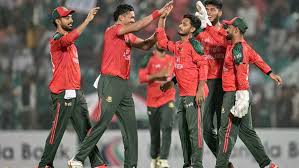
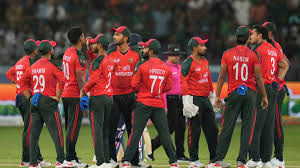
In a major upheaval in the world of cricket, Bangladesh Cricket Board (BCB) President Aminul Islam (and board directors including Faruque Ahmed) declared on January 5, 2026, that the national team will not travel to India for the upcoming ICC Men’s T20 World Cup. Citing a “grave security deficit,” the BCB has formally requested the International Cricket Council (ICC) to relocate all of Bangladesh’s scheduled matches—primarily set for Kolkata and Mumbai—to a neutral venue, with Sri Lanka being the preferred alternative. The president emphasized that the decision was not taken lightly but followed two emergency meetings and direct consultation with the Bangladesh government. “At this moment, we do not feel secure sending our team to India,” Aminul stated, making it clear that the board’s next move is entirely dependent on how the ICC chooses to respond to their formal grievance.
The “Mustafizur Flashpoint”
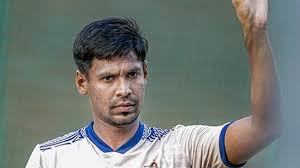
The immediate catalyst for this diplomatic rupture was the treatment of star pacer Mustafizur Rahman during the IPL 2026 season. Just days prior, the BCCI reportedly directed the Kolkata Knight Riders (KKR) to release Mustafizur from his contract, worth ₹9.20 crore, citing “developments all around.” This move was widely interpreted in Dhaka as a political response to the ongoing socio-political unrest and reported attacks on minorities in Bangladesh. The BCB’s logic is straightforward: if the Indian board and government cannot guarantee the safety of a single high-profile player in a domestic league, they cannot be trusted to protect a 30-member national contingent during a high-stakes world tournament. Youth and Sports Adviser Asif Nazrul backed this stance, labeling the BCCI’s actions as “communal” and “shameful,” further escalating the tension by ordering a ban on the telecast of the IPL within Bangladesh.
Geopolitical Tensions Spill Over
The cricketing standoff is a reflection of the deteriorating bilateral relations between New Delhi and Dhaka since the ouster of former Prime Minister Sheikh Hasina in August 2024. The current interim government in Bangladesh and the Indian administration have been at odds over various issues, including the refuge of Hasina in India and the treatment of minority communities. By refusing to travel to India, the BCB is effectively demanding a “Hybrid Model” for the World Cup, similar to the arrangement used for India-Pakistan matches. This places the ICC in an incredibly difficult position; with the tournament set to begin on February 7, 2026, rearranging logistics for an entire group (Group C, including England, Italy, and the West Indies) at such short notice is being described by BCCI insiders as a “logistical nightmare.”
The Road Ahead: ICC’s Dilemma
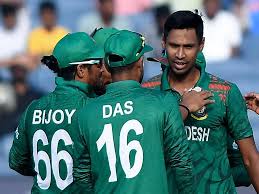
The BCB has been firm in its refusal to communicate directly with the BCCI, maintaining that as an ICC event, the responsibility for player safety lies with the global governing body. The proposed schedule would have seen Bangladesh play three matches at Eden Gardens in Kolkata—a city with a massive Bengali-speaking population that usually welcomes the team with open arms. However, the BCB argues that the current “volatile atmosphere” makes even Kolkata unsafe. As the ICC deliberates, the cricketing world watches closely. If the request is denied, Bangladesh faces the prospect of a World Cup boycott; if it is accepted, it could permanently alter the hosting dynamics of multi-nation tournaments in South Asia, where political disputes are increasingly dictating the boundaries of the playing field.
About the Author