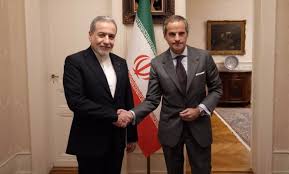
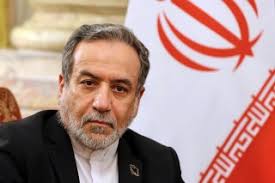
On Monday, February 16, 2026, the diplomatic corridors of Geneva became the stage for a high-stakes encounter between Iranian Foreign Minister Abbas Araghchi and the International Atomic Energy Agency (IAEA) chief Rafael Grossi. This meeting, which Grossi described as involving “in-depth technical discussions,” serves as the critical prologue to a second round of indirect nuclear negotiations between Tehran and Washington scheduled for tomorrow.
Araghchi arrived in Switzerland flanked by a specialised team of nuclear experts, signalling that Iran is moving past general political posturing toward granular technical bargaining. The timing is particularly urgent:
the IAEA has been pressing for clarity on Iran’s stockpile—now estimated at over 400 kilograms of uranium enriched to 60%—especially following the destabilising Israeli-U.S. airstrikes in June 2025 that disrupted previous oversight. For Araghchi, the session with Grossi was a necessary step to “clear the decks” of technical safeguards issues before facing the American delegation, led by U.S. Special Envoy Steve Witkoff and advisor Jared Kushner.
The broader atmosphere surrounding these Geneva talks is one of “cautious realism” mixed with significant military pressure. While Araghchi has taken to social media to proclaim he has “real ideas” for a “fair and equitable deal,” he has also been firm that “submission before threats” is off the table—a direct response to the massive U.S. military buildup in the region, including the deployment of the aircraft carrier USS Gerald Ford.
These talks, mediated by Omani Foreign Minister Badr al-Busaidi, follow a “constructive” but preliminary first round held in Muscat on February 6. The stakes have rarely been higher; the Trump administration has signaled that a failure to reach an agreement would be “very traumatic,” while Tehran remains insistent on significant sanctions relief as a prerequisite for any rollback of its nuclear infrastructure.
With Oman acting as the courier between the two sides, the Araghchi-Grossi meeting essentially established the technical “floor” for what Iran is willing to concede regarding verification. As the world watches, the outcome hinges on whether this technical groundwork can survive the political friction of tomorrow’s indirect dialogue, especially as both sides navigate a regional landscape scarred by recent conflict and ongoing naval drills in the Strait of Hormuz.
About the Author