The 2026 Bangladesh General Election, held on February 12, marks a historic shift in the nation’s political landscape, being the first major democratic exercise since the “July Revolution” of 2024 that ended the 15-year tenure of Sheikh Hasina.
As of the latest live updates, the sheer scale of the election is defined by a massive electorate of 127.7 million registered voters, including approximately 5.5 million first-time voters from the “Gen Z” demographic who were pivotal in the previous uprising.
Voting took place across 299 parliamentary constituencies out of the 300 available seats—with one seat’s polling postponed following the death of a candidate—and involved 1,981 candidates representing 51 participating political parties.
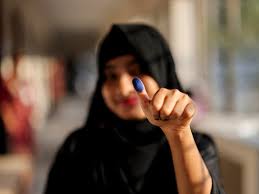
Despite the notable absence of the Awami League, which was barred from the contest, the voter turnout was reported at a significant 48% by the time polls closed at 4:30 p.m. local time. The electoral process was uniquely complex this year because, for the first time in history,

citizens were handed two ballots: a white one for the parliamentary election and a pink one for a concurrent national referendum on the “July National Charter,” an 84-point reform package aimed at limiting prime ministerial power and ensuring judicial independence.
Early trends as counting began on Thursday evening suggest a strong performance for the Bangladesh Nationalist Party (BNP), led by Tarique Rahman, who recently returned from a 17-year exile.
Initial reports indicate the BNP is leading in over 24 seats, with a near-certain victory already reported in Jhenaidah-1, where their candidate secured over 171,000 votes compared to the runner-up’s 55,000. Closely trailing or competing in key areas is the resurgent Jamaat-e-Islami, led by Shafiqur Rahman, which has formed a powerful 11-party alliance and is seeking to capitalize on a more open political field after years of being sidelined.
To maintain order during this high-stakes transition, the interim government led by Nobel laureate Muhammad Yunus deployed nearly 900,000 security personnel across 42,766 polling stations. While the atmosphere was described as largely peaceful by international observers from the EU and the Commonwealth, sporadic violence did occur, including a fatal clash in Khulna-2 and reported crude bomb explosions in Munshiganj.
Another modern milestone in these numbers is the inclusion of 1.35 million postal ballots, allowing the vast Bangladeshi diaspora to influence the outcome for the first time. The magic number for a majority remains 151 seats, and while early indicators favor a BNP-led government, the final official tally is not expected until the morning of Friday, February 13.
The outcome of the referendum will be equally critical, as it determines whether the new parliament will operate under the current constitution or a revised framework designed to prevent the return of “one-party dominance.” With women making up nearly half the electorate (62.8 million) and young voters aged 18–37 comprising 44% of the total, the 2026 results represent more than just a change in leadership; they are a numerical testament to a nation attempting to redefine its democratic soul through the “biggest democratic process of 2026” anywhere in the world
About the Author