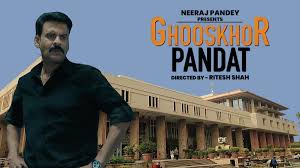
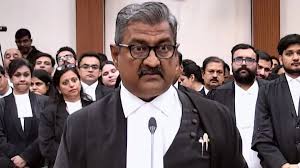
On February 12, 2026, the Supreme Court of India took a firm stand against the title of the upcoming Netflix series “Ghooskhor Pandat,” directed by Neeraj Pandey and starring Manoj Bajpayee. A bench comprising Justices B.V. Nagarathna and Ujjal Bhuyan issued a stern rebuke to the filmmakers, questioning the necessity of a title that links a specific community identifier with the act of bribery (ghooskhor).
The Court’s primary objection was rooted in the constitutional value of fraternity, with Justice Nagarathna pointedly asking, “Why should you denigrate a section of society by this kind of title?” The bench observed that while filmmakers enjoy freedom of speech and expression under Article 19(1)(a), this right is subject to reasonable restrictions regarding morality, public order, and the preservation of communal harmony. The Court remarked that being “woke” does not grant a license to exacerbate existing social fissures or create public unrest through derogatory stereotyping.
The Legal Dispute and Constitutional Context
The case reached the apex court via a Public Interest Litigation (PIL) filed by Atul Mishra, representing the Brahmin Samaj of India, and other petitions including one by Mahender Chaturvedi. The petitioners argued that the title was “prima facie offensive” and amounted to collective defamation by associating the term “Pandat”—traditionally signifying scholarship and spiritual guidance—with moral corruption.
In response to the growing legal pressure and public protests in cities like Bhopal and Lucknow, the counsel for the producers informed the Court that they had already decided to withdraw the title and remove all promotional material from social media. However, the Supreme Court refused to rely solely on oral assurances, directing the makers to file a formal affidavit confirming the withdrawal and disclosing the new title. The bench made it clear that the series would not be permitted for release until the revised name is placed on record.
Filmmakers’ Defense and Future Hearing
Earlier in the week, the Delhi High Court had disposed of a similar petition after Netflix stated that the title change was a “conscious decision” to better reflect the film’s actual narrative—a fictional, reformative police drama. Director Neeraj Pandey had previously defended the name as a “colloquial identifier” for a fictional character, asserting it was never intended to comment on any specific caste or religion.
Despite these clarifications, the Supreme Court remained focused on the potential for “community-based vilification.” The matter has now been posted for a follow-up hearing on February 19, 2026, by which time the filmmakers must submit their new title for judicial scrutiny. This ruling adds to a growing discourse on the regulation of OTT platforms in India and the boundaries of creative freedom in an increasingly sensitive social landscape.
Related posts:
'Dhurandhar' box office collection Day 50: Ranveer Singh and Akshaye Khanna starrer CRASHES to Rs 55...
25 years of Malayalam cinema: How the industry transformed from churning out stinkers to becoming th...
'Dhurandhar' box office collection day 43: Ranveer Singh, Akshaye Khanna’s film mints Rs 1275 crore ...
About the Author