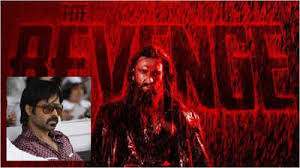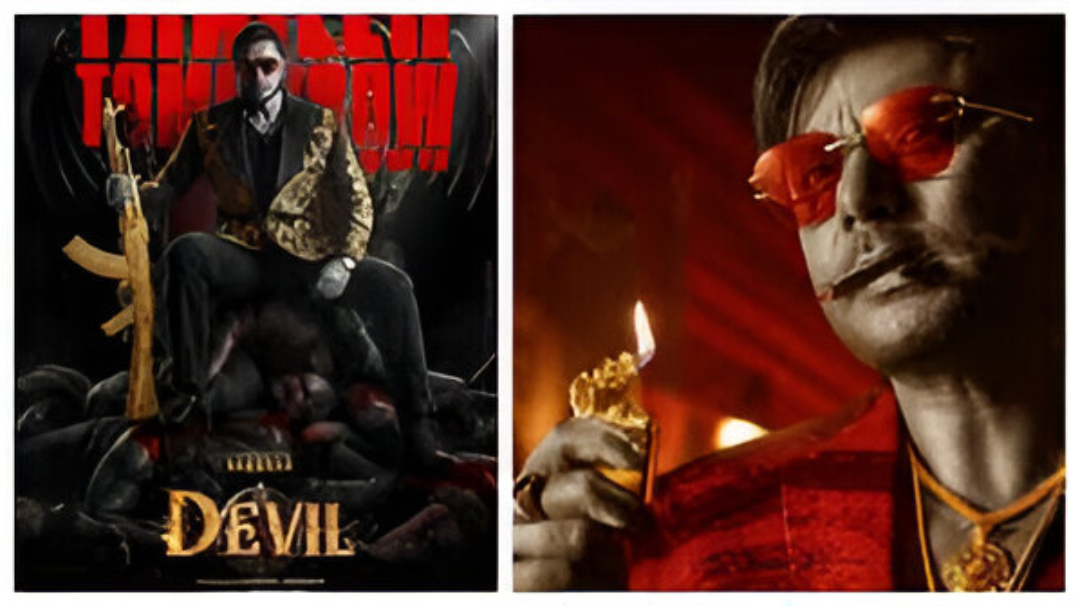
The Devil, the highly anticipated Kannada film starring Challenging Star Darshan, directed by Prakash Veer, arrived in theatres amidst a wave of unprecedented anticipation, transforming its release into one of the biggest cinematic events of the year, driven almost entirely by the star’s fiercely loyal fanbase.
The core query regarding the film’s merits and demerits reveals a highly polarised experience, typical of a large-scale mass commercial outing, but one that undeniably delivers on its promise of a high-octane spectacle, even while grappling with foundational structural flaws.
What stands out as unequivocally good in The Devil is the commanding performance of Darshan himself, whose dual-role exploration is lauded as one of his career-best showings.
He effectively inhabits the contrasting shades of the “Devil” character—stylishly menacing and dominant—and the more emotional, relatable figure of ‘Krishna,’ where his acting variations, particularly in scenes demanding depth and raw emotion, have moved fans to tears and earned high praise.
The emotional weight attached to the ‘Krishna’ character, especially when confronting personal tragedy and seeking vengeance, forms the bedrock of the film’s connection with the audience.
Furthermore, the technical backbone of the movie, specifically the background score and music composed by B Ajaneesh Loknath, is consistently highlighted as a major strength, injecting palpable energy and high-voltage intensity into crucial action sequences and emotional beats, effectively compensating for any narrative dips.
The cinematography by Sudhakar S Raj also complements the film’s grand scale, offering visually rich and impactful sequences. On the narrative front, the Interval Block is noted for its explosive setup and high impact, ensuring the audience remains invested, leading to a much-celebrated, mind-bending Climax Twist that delivers a satisfying culmination of the power, vengeance, and true love saga hinted at in the plot summary.
The film successfully balances its content to cater to both the fervent fan base, offering signature ‘mass’ moments and powerful dialogues, and the family audience, ensuring a universal appeal that solidifies its status as a complete mass entertainer.
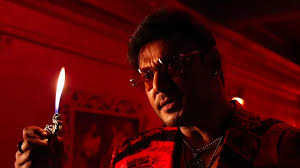
However, the film is not without its significant drawbacks, which are largely concentrated in its initial movement. The primary area identified as ‘bad’ is the pacing and structure of the First Half, which many reviewers and audience members found to be an “okayish” or “below average” routine political drama. This segment suffers from a lack of connectivity between scenes and an overall urgency in the editing, giving the impression that the movie was cut hastily.
This uneven flow means the narrative takes too long to gain momentum, introducing several “dull scenes” that slow down the intended pace of an action drama. Compounding the issue are technical and aesthetic missteps that detract from the immersion, most notably the poor quality of the hair wig and costume design chosen for the ‘Krishna’ character, which some viewers felt was unsuitable and unprofessional for a star of Darshan’s calibre.
Additionally, while the overall music is praised, specific instances of off-sync BGM were noted in the first half, unintentionally slowing down scenes instead of uplifting them. The movie also occasionally relies on forced comedy tracks, which feel out of place and fail to land, disrupting the serious tone of the core narrative. Ultimately, while the second half’s high-stakes action, emotional core, and definitive climax save the day,
Solidifying the film as a blockbuster for the fans, the routine setup and technical inconsistencies of the first half represent missed opportunities, requiring the audience to patiently endure a shaky start before witnessing the cinematic fireworks of the film’s ultimate, celebrated payoff.
Related posts:
Mana Shankara Vara Prasad Garu Box Office: Chiranjeevi Starrer Makes History By Beating Akhanda 2 In...
‘Mardaani 3’ trailer: Rani Mukerji as Shivani Shivaji Roy locks horns with ruthless mafia queen 'Amm...
Yash's Toxic In Trouble Over "Obscene" Teaser, Karnataka Women's Commission Asks Censor Board For Ac...
About the Author