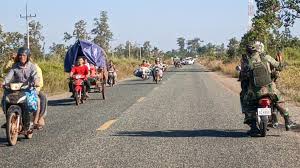
The escalation of the long-running border dispute between Thailand and Cambodia reached a critical point when Thailand’s military launched air strikes against Cambodian military targets on Monday, December 8, 2025.
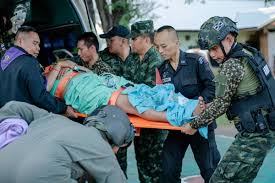
This dramatic move followed fresh, deadly clashes that resulted in the death of at least one Thai soldier and injuries to several others. Both nations immediately traded blame for violating a fragile ceasefire agreement that had been brokered just months prior by US President Donald Trump and Malaysian Prime Minister Anwar Ibrahim, following a five-day war in July 2025, which had killed dozens and displaced an estimated 300,000 people.

According to a Thai Army spokesman, Major General Winthai Suvaree, the decision to use aircraft was made after Thai forces came under heavy “supporting fire weapons” from Cambodian troops in Ubon Ratchathani province, forcing Thailand to deploy air assets to “strike military targets in several areas” to suppress the attacks and protect its sovereignty.
The Thai Royal Air Force later stressed that the strikes were strictly limited to military installations such as weapons depots and command centres within Cambodian territory. Conversely, Cambodian officials, through Defence Ministry spokeswoman Maly Socheata, accused Thai forces of launching a dawn attack first in the border provinces of Preah Vihear and Oddar Meanchey, even claiming Thai tanks fired multiple shots near the ancient Tamone Thom temple. Cambodia maintained that its troops had not retaliated to the initial attacks, urging Thailand to immediately cease all hostile activities.
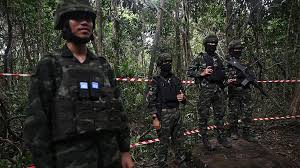
This rapid re-escalation came after months of simmering tension and a breakdown of the October ceasefire, which Thailand had formally suspended in November following an incident where its troops were injured by a landmine, which Bangkok blamed on Cambodia.
The core of the conflict lies in the undemarcated 817-kilometre border, with sovereignty over areas around ancient Hindu temples like Preah Vihear remaining a key flashpoint for over a century. The renewed fighting forced large-scale civilian evacuations, with the Thai military reporting that over 35,000 people had been moved to temporary shelters, underscoring the severe humanitarian impact of the sudden military action and raising international alarm about the potential for a wider conflict in the region.
About the Author