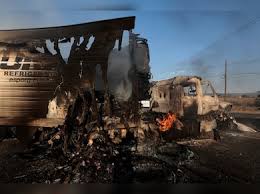
On January 27, 2026, a series of devastating Russian strikes across Ukraine marked one of the deadliest escalations of the winter, claiming the lives of at least 12 civilians in a single night of bombardment. The most harrowing of these incidents occurred in the northeastern Kharkiv region, where a Russian drone strike targeted a civilian passenger train. The train, which was traveling on a long-distance route from Chop (near the western borders with Hungary and Slovakia) toward the frontline town of Barvinkove, was carrying approximately 200 passengers when it was intercepted near a rural village. According to Ukrainian prosecutors and regional officials, three Shahed-type drones were involved in the assault; while two struck the ground nearby, the third made a direct hit on a passenger carriage. The impact and subsequent fire were catastrophic, killing five people and leaving at least four others missing as rescue teams sifted through the charred, smoldering remains of the wagons resting against a snow-covered railbed. President Volodymyr Zelenskyy immediately condemned the strike as an act of “pure terrorism,” emphasizing that there was no conceivable military justification for targeting a civilian rail line—a vital artery for those attempting to navigate the country’s increasingly fractured geography.

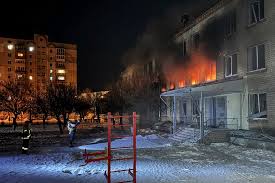
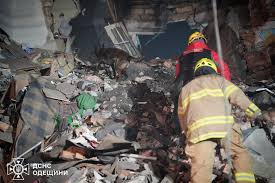
Simultaneously, the southern port city of Odesa endured a massive barrage involving more than 50 drones, many of which were upgraded models designed for greater range and destructive power. The attack focused on both residential neighborhoods and critical energy infrastructure, resulting in the confirmed deaths of three individuals—two men aged 90 and 52, and a woman whose body was recovered from the ruins of an apartment block. The “colossal destruction” described by regional governor Oleh Kiper left at least 25 others wounded, including two young girls and a woman who was 39 weeks pregnant. Beyond the immediate human toll, the strikes on Odesa’s power facilities dealt a severe blow to the regional grid, compounding a nationwide energy crisis. In the capital, Kyiv, nearly 710,000 residents remained without electricity in freezing sub-zero temperatures following previous hits on the transmission network. These attacks are widely viewed by analysts as a “winter campaign of pressure” intended to degrade Ukrainian morale and force the government to accept unfavorable terms in ongoing peace negotiations.
The timing of these strikes is particularly significant, as they occurred just days after high-level, U.S.-brokered talks between Russian and Ukrainian negotiators in the United Arab Emirates. Despite a diplomatic push from the Trump administration to reach a “Board of Peace” agreement by the spring of 2026, the persistent targeting of civilian hubs like the Kharkiv train and Odesa’s residential districts suggests a strategy of “negotiating through fire.” Zelenskyy noted that every such strike “erodes the diplomacy” and undermines the efforts of international partners who are currently meeting to find a path toward ending the nearly four-year-old conflict. As rescue operations continue in the northeast and south, the Ukrainian national railway, Ukrzaliznytsia, has vowed to keep trains running despite the heightened risks, even as additional security measures are implemented across the network. The international community remains on edge as the next round of peace talks is scheduled for February 1, with the humanitarian situation on the ground growing increasingly dire as the war enters its 47th month.
About the Author