

Meta AI: An Integrated Research and Product Ecosystem
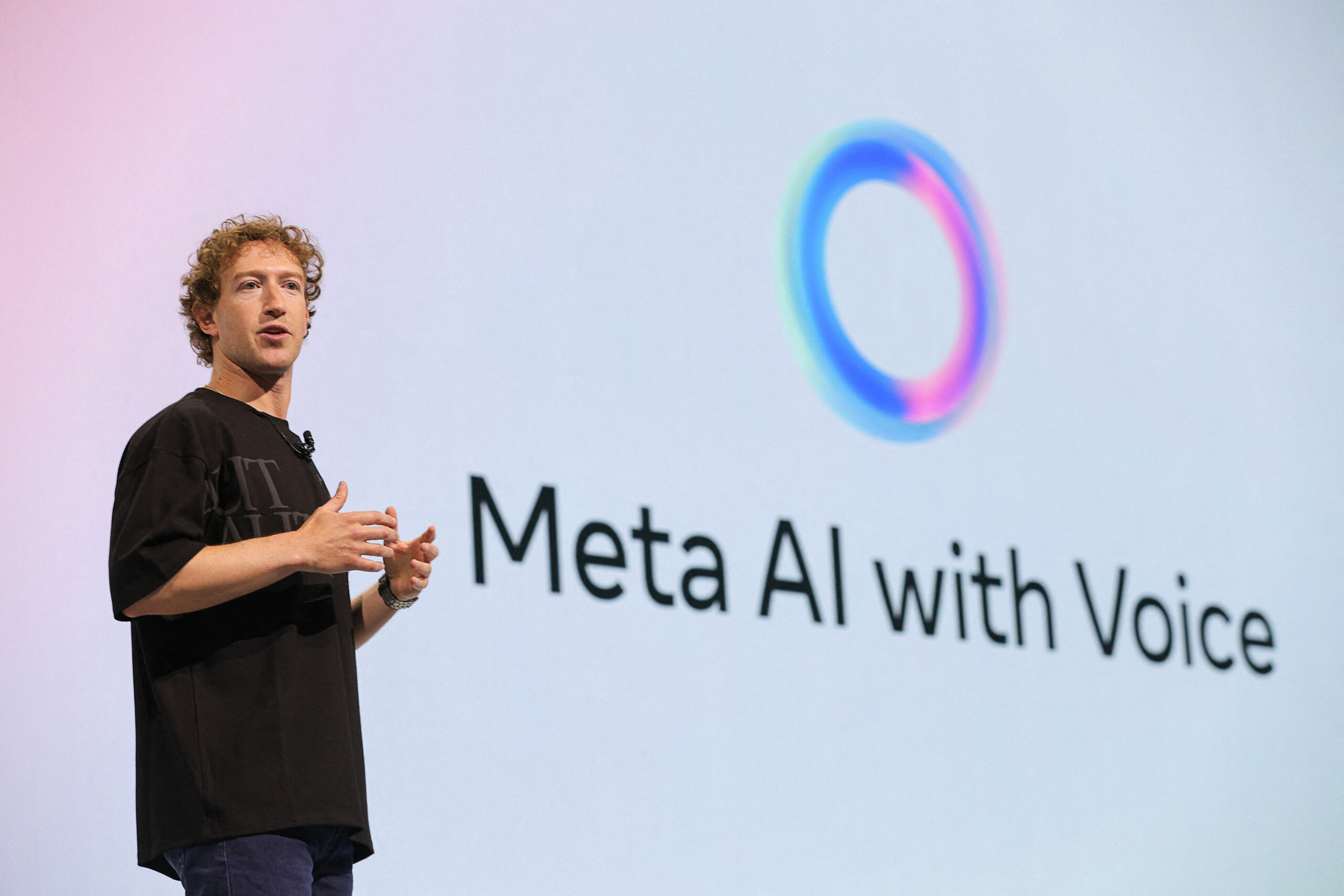
Meta AI is the collective term for the artificial intelligence research and product division of Meta Platforms (formerly Facebook) and the AI-powered virtual assistant developed by that team. The division, which evolved from the original Facebook Artificial Intelligence Research (FAIR) team founded in 2013, is dedicated to advancing the state of AI across core domains like natural language processing (NLP), computer vision, generative AI, and self-supervised learning. Its primary goal is to create smart systems that enhance all of Meta’s products, making online experiences more intuitive, engaging, and useful for billions of users.
Core Technologies and Research
A significant part of Meta AI’s effort involves developing Large Language Models (LLMs) like the open-source LLaMA family, which power conversational AI capabilities. These models are crucial for understanding and generating human-like text, translating languages, and summarizing information.
In computer vision, Meta AI research is used for tasks like image and video recognition, content moderation, and powering augmented and virtual reality experiences for the Metaverse. Key research initiatives also focus on meta-learning, which is teaching AI models to “learn how to learn” more efficiently across different tasks, and developing custom AI hardware, such as the MTIA (Meta Training and Inference Accelerator) chips, to optimize performance and efficiency for their specific workloads.
Product Integration and Features
The most visible manifestation of Meta AI for the end-user is the virtual assistant integrated directly into Meta’s popular apps: Facebook, Instagram, WhatsApp, and Messenger. This conversational AI, often invoked by typing “@Meta AI” in a chat or interacting with a dedicated button, can answer questions, search the web in real-time, generate text, and even create images from text prompts using generative AI models.
For instance, in WhatsApp, it can summarize long group chats or edit photos. The AI is also a key feature in Meta’s hardware, such as the Ray-Ban Meta smart glasses, where it provides a hands-free assistant that can analyze what the user is seeing, offer live translations, or capture media via voice commands. The ultimate vision is for Meta AI to provide a personalized, deeply integrated AI layer across all of Meta’s platforms and devices, making digital interaction seamless and contextually aware.
About the Author