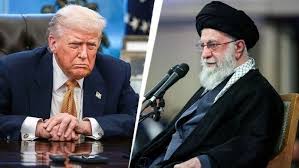
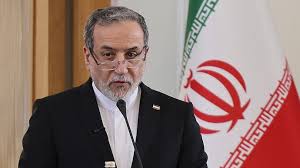
The defiant declaration from Iranian Foreign Minister Abbas Araghchi on February 8, 2026, serves as a stark reminder of the intractable nature of the Iranian nuclear standoff. Speaking at a foreign policy forum in Tehran, Araghchi made it clear that Iran has no intention of abandoning its uranium enrichment program, framing the issue not merely as a technical capability but as a fundamental pillar of national sovereignty.
His assertion that “no one has the right to dictate” Iran’s behavior comes at a critical juncture, just days after indirect negotiations with the United States resumed in Muscat, Oman. Despite the “peace through strength” posturing of the Trump administration and the literal shadow of the USS Abraham Lincoln aircraft carrier looming in the Arabian Sea, Tehran’s message is one of strategic resistance.
Araghchi’s rhetoric was particularly pointed when he described Iran’s true power as the “atomic bomb of saying no,” a metaphorical weapon of defiance against “bullying” powers that he claims is more potent than any physical warhead—which he continues to insist Iran is not seeking.
This latest escalation in rhetoric is a direct response to the United States’ uncompromising demand for “zero enrichment” and the dismantling of Iran’s missile program as prerequisites for sanctions relief. For the Iranian leadership, these demands are viewed as an existential threat to their “revolutionary dignity.”
The context of these 2026 talks is heavily weighed down by the scars of the 12-day war in June 2025, during which the U.S. and Israel targeted several Iranian nuclear sites. Far from being cowed by those strikes, the Iranian government has used the aftermath to justify further enrichment as a defensive necessity.
Araghchi’s refusal to budge on the “level and purity” of enrichment—aside from minor “confidence-building measures”—suggests that Tehran is betting on its strategic partnerships with China and Russia to buffer the impact of Trump’s latest executive orders, which impose heavy tariffs on nations doing business with Iran.
Following the economic grievances and widespread protests of late 2025, the Pezeshkian administration is walking a tightrope between needing economic relief and maintaining the hardline support of the Islamic Revolutionary Guard Corps (IRGC). By framing enrichment as a matter of “inalienable rights,” the government is attempting to unify a fractured public against an external “bully.”
However, the International Atomic Energy Agency (IAEA) has warned that this “standoff cannot go on forever,” as Iran continues to enrich at levels—reportedly near 60% purity—that have no credible civilian application. As long as Tehran views the enrichment centrifuges as its only meaningful leverage against Western military and economic might, the “power to say no” may eventually lead to a “power to escalate” that the region is ill-prepared to handle.
The failure of the Muscat talks to produce anything beyond a “good start” and a brief handshake between negotiators suggests that while the words are fresh in 2026, the underlying cycle of distrust remains as ancient and volatile as ever.
About the Author