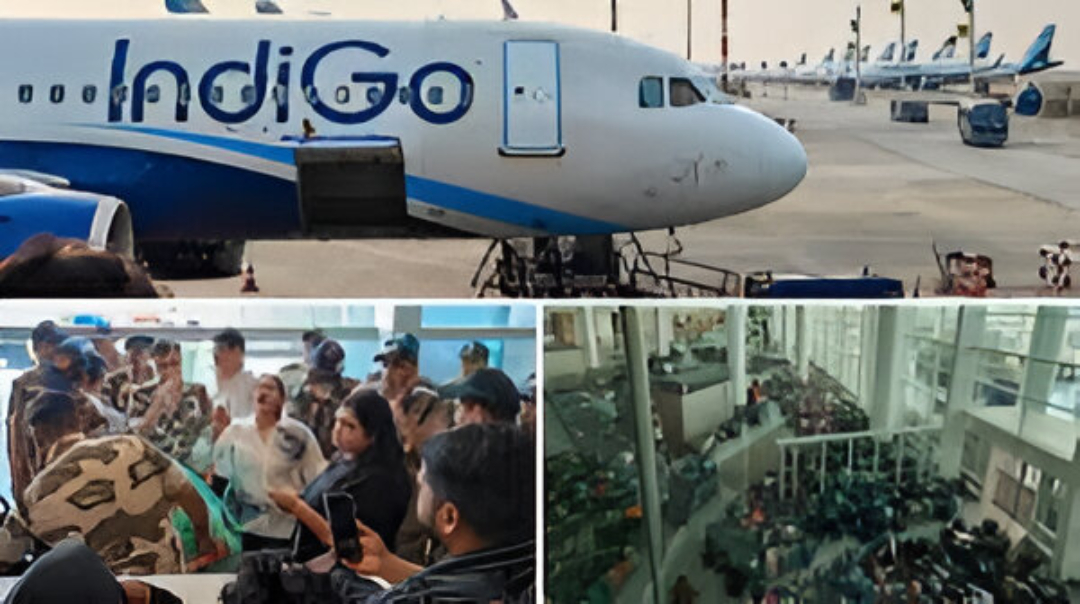
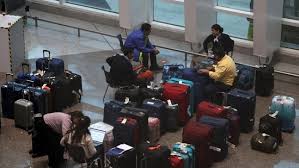
The IndiGo airline is currently grappling with a severe and prolonged operational crisis, marked by massive flight disruptions that have seen a flurry of cancellations, with over 70 fresh cancellations reported on a recent day, and thousands of flights cancelled in the preceding week across its network, severely affecting major hubs like Delhi, Mumbai, and Bengaluru.
The primary catalyst for this chaos is the airline’s failure to adequately adjust its schedule and crew staffing to comply with the stricter Phase II Flight Duty Time Limitation (FDTL) rules, which mandate increased rest periods for pilots and crew and came into effect on November 1, 2025.
This regulatory change, intended to combat pilot fatigue and enhance safety, exposed IndiGo’s reliance on a highly efficient, low-buffer operational model, leading to a critical crew shortage that was amplified by peak-season demand and initial technical glitches.

The ensuing chaos—characterized by long delays, stranded passengers, poor communication, and soaring airfares on alternative routes—prompted significant government and judicial intervention.
The Directorate General of Civil Aviation (DGCA) initially issued a show-cause notice and ordered a reduction of the airline’s flights by 5%, which the Civil Aviation Ministry subsequently doubled to 10% in an effort to stabilize operations and mitigate passenger hardship, a rare punitive step against the dominant carrier.
Concurrently, the Delhi High Court took judicial notice of the passengers’ plight, agreeing to hear a Public Interest Litigation (PIL) that seeks directions to the government and the airline to ensure immediate support, streamlined communication, and timely refunds for the thousands of travellers whose plans were disrupted during this unprecedented crisis.
While IndiGo’s CEO has apologized and the airline claims its operations are stabilizing after temporary regulatory exemptions, the widespread cancellations underscore a significant lapse in operational planning and resource management, transforming a regulatory change into a national aviation crisis.
About the Author