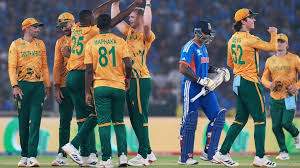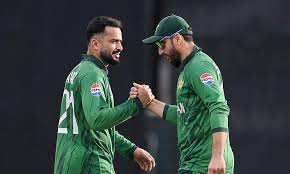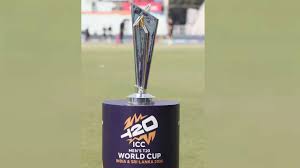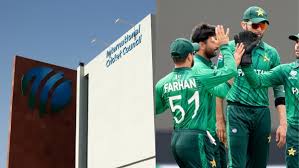
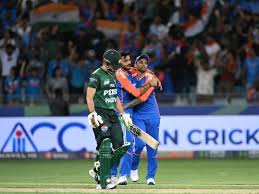
The high-stakes standoff surrounding the India vs Pakistan T20 World Cup 2026 clash, scheduled for February 15 in Colombo, has reached a fever pitch as the Pakistan Cricket Board (PCB) faces a wall of resistance from the International Cricket Council (ICC). This unprecedented “boycott row” was ignited not by a direct dispute between the two rivals, but as a show of “solidarity with Bangladesh” by the Pakistani government.
The crisis follows the Bangladesh Cricket Board’s (BCB) decision to withdraw from the tournament after the ICC refused their request to move matches away from Indian soil—a demand rooted in security concerns and the controversial removal of pacer Mustafizur Rahman from the IPL. In a marathon five-hour meeting at Gaddafi Stadium on February 8, PCB Chairman Mohsin Naqvi presented a list of bold demands as conditions for ending the boycott of the marquee fixture.
These included the immediate resumption of India-Pakistan bilateral series, the proposal of a tri-series involving Bangladesh, an increased share of ICC revenue, and the enforcement of a strict “handshake protocol” to avoid a repeat of the recent “no-handshake” snub during the Asia Cup. However, the ICC’s reply has been described as “sharp and uncompromising,” with Deputy Chairman Imran Khwaja and Jay Shah leading the charge to defend the global body’s constitutional framework.
The ICC explicitly rejected the demand for bilateral resumption, sternly reminding the PCB that such series fall strictly under the jurisdiction of individual boards and their respective governments—namely the BCCI and the Indian Government—and are not within the ICC’s mandate to dictate. Furthermore, the ICC dismissed the request for a tri-series and additional financial compensation for the ousted Bangladesh side, clarifying that while the BCB would receive its full share of earnings as per existing agreements, no “participation fees” would be paid for a tournament they are not attending.
This firm stance has placed the ball back in Pakistan’s court, with the ICC reportedly warning that a refusal to take the field on February 15 could constitute a serious breach of the Members Participation Agreement, potentially leading to multi-million dollar fines or even the suspension of Pakistan’s membership.
The financial implications are staggering; with the match valued at nearly Rs 4,000 crore in total economic impact and 10-second advertisement slots selling for Rs 40 lakh, stakeholders like Sri Lanka Cricket (SLC) and the Emirates Cricket Board (ECB) have already issued formal pleas to Islamabad, urging them to reconsider a move that would “materially damage” the global game.
As of February 9, 2026, the Indian team is reportedly proceeding with “business as usual” protocols, preparing to fly to Colombo on February 13 regardless of the uncertainty. Meanwhile, Mohsin Naqvi is set for a decisive meeting with Prime Minister Shehbaz Sharif, who holds the final authority over whether the Green Shirts will cross the line at the R. Premadasa Stadium.
While the PCB maintains it has a “strong legal position” based on force majeure and government directives, the internal sentiment in Lahore suggests a strategic U-turn may be imminent to avoid international isolation.
The ICC has urged the PCB to move its grievances to the arbitration committee rather than holding the tournament’s most lucrative fixture hostage. With only six days remaining, the cricketing world is witnessing a masterclass in brinkmanship where the “power to say no” is being weighed against the catastrophic cost of walking away from the pitch, leaving fans to wonder if the 2026 World Cup will be remembered for a historic boundary or a historic walkover.
About the Author