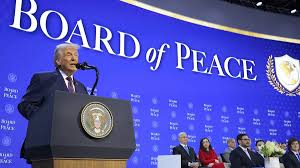
The Indian Ministry of External Affairs (MEA) is currently navigating a complex diplomatic tightrope as it evaluates U.S. President Donald Trump’s ambitious and controversial “Board of Peace” (BoP) proposal. Initially unveiled in late 2025 as a 20-point plan to stabilize the Gaza Strip following the devastating conflict, the BoP has rapidly evolved into something far more expansive—and, for many traditional diplomats, far more jarring.
The proposal seeks to establish a global conflict-resolution mechanism that operates largely outside the traditional United Nations framework, which Trump has frequently characterized as “failed” and “ineffective.”
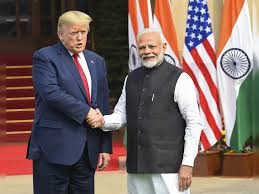
For New Delhi, the invitation to join this elite, high-stakes table presents a classic strategic dilemma: the desire to remain a “Vishwa Bandhu” (friend of the world) and a key partner to a resurgent Trump administration versus the necessity of upholding long-standing principles of multilateralism and sovereign equality.
A “Corporate” Approach to Global Peace
At its core, the Board of Peace is structured less like a diplomatic assembly and more like a private executive board. It is chaired by Donald Trump himself—notably as a personal appointment independent of his presidential term—with a lifetime mandate and the sole authority to invite or expel member states. The board’s charter introduces a “pay-to-play” model that has raised eyebrows in New Delhi’s South Block: permanent membership requires a staggering $1 billion (₹9,000 crore) “contribution” into a peace-building fund.
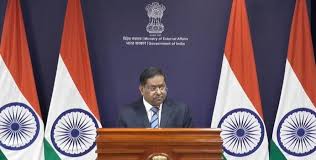
Countries unwilling or unable to pay this fee are limited to three-year renewable terms at the Chairman’s discretion. This “corporate governance” model is designed to fund the massive redevelopment of Gaza through the National Committee for the Administration of Gaza (NCAG) and to deploy a temporary International Stabilization Force (ISF). While world leaders like the UAE’s Mohamed bin Zayed and Israel’s Benjamin Netanyahu have already signed on, India has remained notably “non-committal,” with MEA spokesperson Randhir Jaiswal recently stating that the proposal is “under active examination.”
India’s Strategic Hesitation
India’s cautious stance is rooted in several critical factors. First, the presence of Pakistan and Turkey as early signatories complicates the landscape; New Delhi is wary of joining a forum where its regional rivals could use the platform—and potentially the ISF—to influence sensitive geopolitical issues. Furthermore, India has historically been one of the largest contributors to UN Peacekeeping, and the BoP’s departure from UN mandates represents a significant shift in international law that India is not yet ready to endorse.
While Prime Minister Modi originally welcomed the Gaza peace plan in October 2025 as a “viable pathway” to stability, the specific “Board of Peace” charter, which omits references to a two-state solution and emphasizes a top-down, Trump-led hierarchy, requires a more nuanced vetting. Experts suggest that India is concerned about the “precedent-setting” nature of such a body, which could eventually be expanded to other flashpoints like Ukraine or even the Indo-Pacific.
The Road Ahead
The coming weeks are decisive. India is expected to skip the BoP’s inaugural meeting on February 19, 2026, in Washington, opting instead to continue consultations with its partners in the Arab League, many of whom are also torn between American pressure and regional stability. The issue is slated to be a top agenda item during Prime Minister Modi’s upcoming visit to Israel later this month.
For now, India’s response is a masterclass in “strategic autonomy”—validating the intent of peace while quietly scrutinizing the fine print of a $1 billion entry fee and a lifetime chairmanship. As New Delhi mulls its move, the “Board of Peace” remains the ultimate test of how the world’s largest democracy will engage with a “Trumpist” world order that prioritizes transactional outcomes over established diplomatic norms.
About the Author