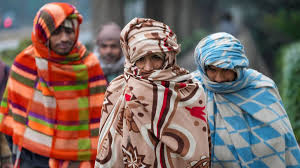
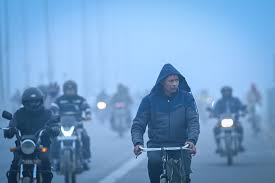
As of January 5, 2026, the India Meteorological Department (IMD) has intensified its warnings for North India, issuing an Orange Alert as a thick blanket of dense to very dense fog continues to paralyze the region.
he weather agency predicts that these treacherous conditions will persist for at least the next two days, primarily affecting Punjab, Haryana, Chandigarh, Delhi, and Uttar Pradesh, as well as parts of Rajasthan and Madhya Pradesh.
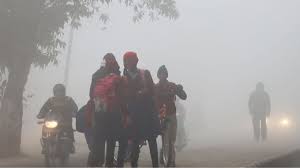
Visibility in several pockets, including the outskirts of Jaipur and major stretches of the Indo-Gangetic plains, has plummeted to as low as 50 meters, creating hazardous conditions for morning and late-night commuters.
The “fog window,” which officially runs from December to February, has hit a peak intensity this week, driven by a combination of low temperatures, high moisture, and light surface winds. In addition to the fog, the IMD has warned of cold wave conditions in isolated pockets of Delhi and its neighboring states until January 7, with minimum temperatures expected to hover between
.The impact on the nation’s transport infrastructure has been severe and widespread. At Indira Gandhi International Airport (IGI) in Delhi, over 100 flights have faced disruptions, including several cancellations and delays exceeding eight hours for domestic carriers like IndiGo and SpiceJet. Airlines have activated their “FogCare” protocols, offering free rescheduling to stranded passengers, while the DGCA has mandated that only CAT-III compliant aircraft and specially trained pilots operate during these low-visibility windows.
The railway network has fared no better; Northern Railways reported that over 80 long-distance trains arriving in the national capital were running late by three to nine hours. High-profile services like the Kaifiat Express and Unchahar Express are among those most heavily impacted.(near 310-370 in Delhi-NCR).
This “smog” effect is causing increased episodes of wheezing and respiratory distress among vulnerable populations. In response to the biting cold and visibility issues, authorities in districts like Varanasi have extended school closures for students up to Class 8 until January 6.
As North India remains cloaked in this white veil, the IMD advises citizens to avoid non-essential travel and use extreme caution on highways to prevent the rising number of fog-related road accidents reported across the KMP Expressway and the Kota-Jhalawar highway.
About the Author