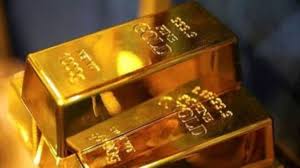

On January 28, 2026, the Indian gold market witnessed an extraordinary surge, with prices shattering previous records to hit historic milestones across all major metropolitan hubs. Driven by a volatile mix of global geopolitical instability and a weakening U.S. dollar, the yellow metal has firmly established itself as the ultimate safe-haven asset for 2026. In early trade on Wednesday, gold futures on the Multi Commodity Exchange (MCX) breached the monumental ₹1.62 lakh per 10 grams mark for the first time, reflecting a 3% jump in a single session. This rally has left investors and jewelers alike navigating a “new normal” where the psychological barrier of $5,000 per ounce on the international stage has been comfortably surpassed, with spot prices now eyeing the $5,200 level.
City-Wise Breakdown of Gold Rates
The retail prices across India reflect significant regional variations due to local taxes, transportation costs, and varying demand levels. As of today, Chennai continues to lead the country with the highest rates, largely driven by the intense demand of the ongoing wedding season in South India. In Chennai, the price for 24-carat gold (99.9% purity) stands at approximately ₹16,320 per gram, while 22-carat gold (used primarily for jewelry) is retailing at ₹14,960 per gram. The lower-purity 18-carat gold, often used for diamond-studded ornaments, is priced at ₹12,475 per gram.

In the national capital, Delhi, rates remain slightly lower than in Chennai but significantly higher than in the western markets. The 24-carat rate in Delhi is recorded at ₹16,210 per gram, with 22-carat at ₹14,860 and 18-carat at ₹12,161. Meanwhile, the financial hub of Mumbai and the cultural center of Kolkata show synchronized pricing today. In both cities, 24-carat gold is trading at ₹16,195 per gram, 22-carat at ₹14,845, and 18-carat at ₹12,146. Other major cities like Bengaluru, Hyderabad, and Ahmedabad are also hovering around the ₹16,200 mark for pure gold, indicating a tight nationwide supply despite the soaring costs.
Factors Fueling the 2026 Gold Rush
Several critical factors have converged to propel gold to these unprecedented heights. Globally, the “winter campaign” of conflict in Eastern Europe and renewed tensions in the Middle East have triggered a massive flight to safety. Central banks, particularly in the BRICS nations, have accelerated their gold accumulation to diversify away from the U.S. dollar, which has struggled amid concerns over American fiscal policy and a looming government funding deadline on January 30. Domestically, the Indian rupee’s slight depreciation against the greenback has made gold imports costlier, further inflating the price for the end consumer.
About the Author