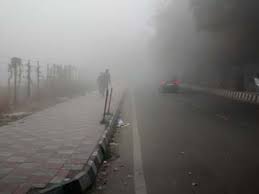
On the morning of January 10, 2026, Delhi experienced its coldest start to the season as the mercury at the Safdarjung base station plummeted to 4.2°C. This reading, which is 2.7 notches below the normal seasonal average, marks the lowest temperature the capital has seen in two years.
The biting chill was accompanied by 100% relative humidity, creating a “cold wave” effect that gripped the National Capital Region (NCR). Other weather stations recorded similarly frigid conditions, with Palam and Ayanagar both hitting 4.5°C, while Lodhi Road followed closely at 4.7°C.
This sudden dip follows a week of erratic weather, including unseasonal rainfall on Friday that cleared some of the lingering smog but paved the way for the moisture-heavy, dense fog that blanketed the city at daybreak.
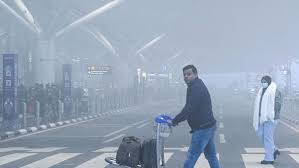
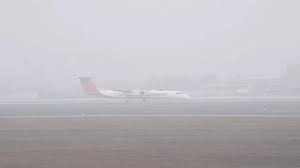
The severe weather has caused significant logistical chaos, particularly at Indira Gandhi International (IGI) Airport and Hindon Airport. A thick layer of fog reduced visibility to as low as 200 metres in several areas, forcing the airport to operate under CAT III (Category III) landing protocols.
These specialized procedures, while allowing for operations in low visibility, naturally lead to a slower pace of arrivals and departures. Major carriers, including IndiGo, Air India, and SpiceJet, have issued urgent travel advisories, warning of a “cascading impact” on flight schedules throughout the day.
Travelers are being urged to check their flight status before leaving for the airport, with many facing delays or cancellations. To manage the fallout, Air India has activated its “FogCare” initiative, offering passengers the option to reschedule or cancel affected flights without penalty.
Beyond the transport disruptions, the environmental conditions remain hazardous. Despite the cold, Delhi’s Air Quality Index (AQI) settled in the ‘very poor’ to ‘severe’ range, recorded at 366 by the Central Pollution Control Board (CPCB) at 9:00 AM. In specific pockets like Nehru Nagar, the AQI spiked above 420, falling into the ‘hazardous’ category.
The India Meteorological Department (IMD) has issued a Yellow Alert, predicting that these dense fog and cold day conditions will persist for the next few days. With daytime temperatures expected to hover around a maximum of 18°C, the lack of sunlight is expected to keep the chill intensified.
Residents have been seen huddled around makeshift fires across the city, as the power demand hit a record high of over 6,000 MW, reflecting the extreme measures being taken to combat the relentless winter.
Related posts:
About the Author