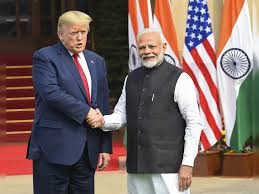
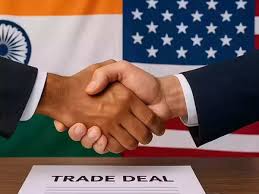
The high-stakes trade talks between India and the United States, commencing today with a US delegation led by Deputy U.S. Trade Representative Rick Switzer, aim to resolve major sticking points and potentially seal the first phase of a long-pending bilateral trade deal.
The overarching goal, set by the leadership of both nations, is to more than double annual bilateral trade to $500 billion by 2030.
However, the negotiations are complicated by the massive 50% tariffs currently levied by the US on a wide range of Indian goods, which include a 25% penalty specifically linked to India’s continued, albeit recently reduced, purchases of Russian crude oil.
These steep tariffs have already hurt Indian exports, particularly in labour-intensive sectors like garments and footwear, and are exerting pressure on the Indian Rupee.
New Delhi’s immediate priority is securing the rollback of these reciprocal tariffs to ease the pressure on its exporters and shore up investor confidence. India has attempted to address US concerns by significantly increasing its imports of US crude oil and liquefied petroleum gas (LPG), a move that has helped narrow its goods trade surplus with Washington.
Despite India’s Commerce Secretary expressing optimism that the first tranche of the agreement—focused on tariff rates—is “only a matter of time” and close to finalisation, the process faces renewed uncertainty.
This was highlighted by fresh threats from US President Donald Trump, who recently signalled his intent to impose new tariffs on Indian rice, alleging unfair “dumping” practices, a claim disputed by Indian exporters who state their premium basmati exports comply with WTO rules.
Ultimately, while both sides are keen to deepen strategic and commercial ties, especially as part of a broader Indo-Pacific strategy, the ability to “seal the deal” today hinges on a political willingness to overcome the existing tariff friction and address the new, agriculture-related trade threats.
About the Author