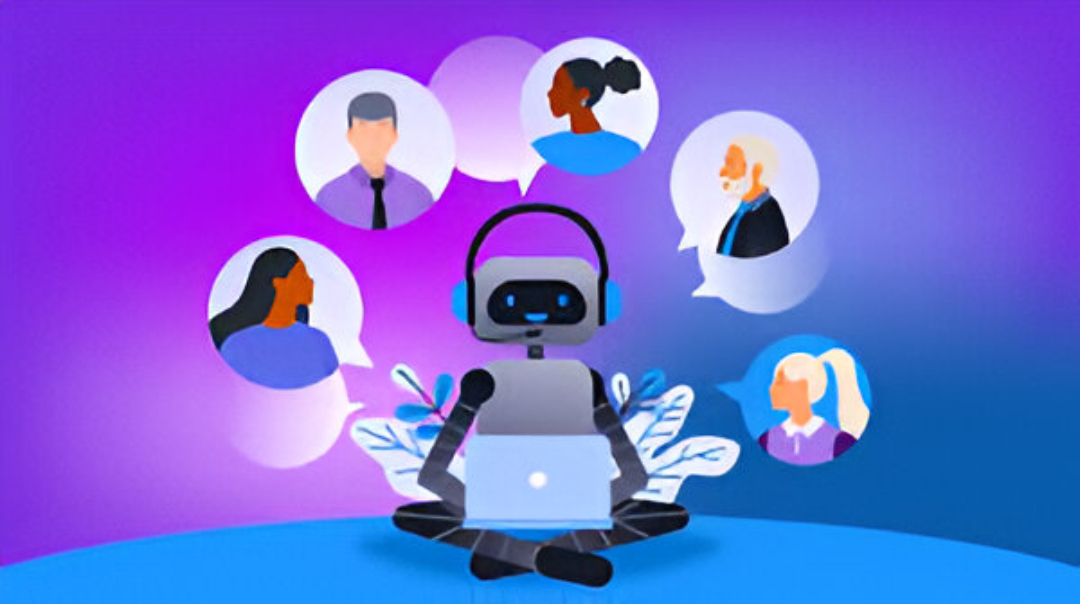


A Chatbot AI is a sophisticated computer program designed to simulate human conversation, allowing users to interact with a digital entity through text or voice, often integrated into websites, messaging apps, and virtual assistants like Siri or Alexa.
The fundamental difference between a basic, rule-based chatbot and a true AI chatbot lies in its underlying technology.
While earlier systems relied on predefined scripts and keywords, modern AI chatbots leverage Conversational AI, which is an umbrella term encompassing key technologies such as Natural Language Processing (NLP) and Machine Learning (ML).
NLP enables the chatbot to understand, interpret, and generate human language, parsing user input to discern intent (what the user wants to achieve) and context, even with variations in phrasing, slang, or typos.
Machine Learning, particularly through Large Language Models (LLMs) like the one I use, allows the chatbot to learn from vast datasets and past interactions, continuously improving its ability to provide accurate, relevant, and human-like responses without being explicitly programmed for every possible scenario. This evolution has transformed chatbots from simple Q&A tools into highly versatile virtual agents capable of complex tasks.
The history of chatbots dates back to the mid-1960s with programs like ELIZA, which used pattern matching to mimic a psychotherapist, setting the stage for future developments.
However, the true explosion in utility came with the advancements in deep learning and generative AI in the 21st century. Today, AI chatbots are deployed across virtually every industry, offering significant advantages in automation and efficiency.
The most common application is in customer service, where they provide 24/7 instant support, answer FAQs, troubleshoot basic issues, and handle routine inquiries, reserving more complex cases for human agents.
Beyond support, they are crucial in e-commerce for personalized recommendations, in human resources for internal employee queries, and in personal productivity as intelligent assistants that set reminders or search for information.
The ability of AI chatbots to scale personalized communication, reduce operational costs, and enhance the overall user experience has made them an indispensable component of the digital landscape. As the technology continues to advance, future AI chatbots are expected to become even more context-aware and capable of handling intricate, multi-step workflows seamlessly.
About the Author