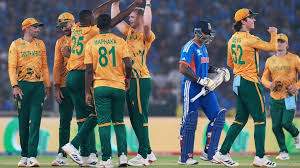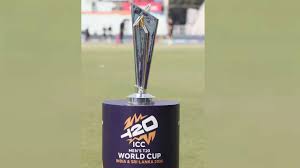
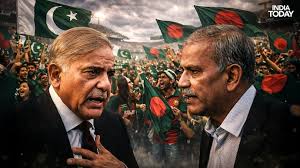
In a move that has sent shockwaves through the global sporting community, Pakistan’s Prime Minister Shehbaz Sharif officially confirmed on February 5, 2026, that the national cricket team will boycott its high-stakes match against India in the upcoming ICC Men’s T20 World Cup. Addressing the federal cabinet in Islamabad, Sharif described the decision as a “principled and considered stance” taken in direct solidarity with Bangladesh.
The controversy stems from the International Cricket Council’s (ICC) decision to replace Bangladesh with Scotland after the Bangladesh Cricket Board (BCB) refused to travel to India for its portion of the tournament, citing severe security concerns.
By refusing to take the field for the marquee February 15 clash in Colombo, the Pakistani government is effectively staging a diplomatic protest on the world stage, arguing that the treatment of Bangladesh by the ICC and the Indian board (BCCI) was both unfair and politically motivated.
The “Bangladesh Trigger” and the Boycott Timeline
The crisis began in early January 2026, when escalating diplomatic tensions between New Delhi and Dhaka led to the removal of Bangladeshi pacer Mustafizur Rahman from the IPL under BCCI instructions.
This event triggered a chain reaction: the BCB demanded their World Cup matches be shifted out of India to neutral venues like Sri Lanka. When the ICC’s independent security review found no “credible threat” and subsequently replaced Bangladesh with Scotland, Pakistan emerged as the only member nation to formally support Dhaka’s grievance.
The Political Paradox: “No Politics in Sports”
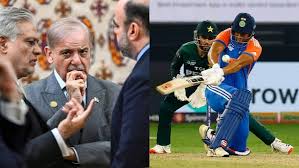
Interestingly, PM Sharif justified the boycott by stating that “there should be no politics on the sports field,” a sentiment he used to criticize the ICC’s refusal to accommodate Bangladesh’s security fears. However, critics and international observers point out the irony of using a sporting boycott to make a geopolitical statement.
The ICC has responded with a stern warning, noting that “selective participation” undermines the integrity of global tournaments. The governing body has urged the Pakistan Cricket Board (PCB) to reconsider, citing “serious and long-term implications” for the sport in Pakistan, including potential financial sanctions, the loss of future hosting rights, and the forfeiture of crucial tournament points.
For the PCB, the situation is precarious; while they are bound by the government’s directive, the financial fallout from missing the tournament’s most lucrative fixture—estimated to be worth hundreds of millions in broadcast and sponsorship revenue—could be catastrophic for their domestic infrastructure.
The impact on the tournament itself cannot be overstated. The India–Pakistan rivalry is the commercial heartbeat of any ICC event, often drawing over 400 million viewers globally. With Pakistan currently scheduled to play its other group matches against the Netherlands, the USA, and Namibia, the “empty chair” at the Colombo match threatens to disrupt the competitive balance of Group A.
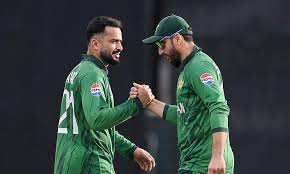
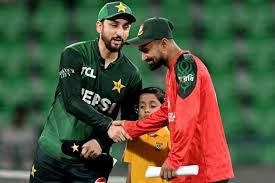
As of now, the Pakistani team, led by Salman Ali Agha, has arrived in Sri Lanka for their opening fixtures but remains under strict orders not to take the field against India. While some former players and analysts predict a last-minute “U-turn” after the upcoming regional elections, the firm rhetoric from the Prime Minister suggests that this time, the “Green Shirts” may actually stay in the dugout, leaving one of cricket’s greatest stages silent.
About the Author