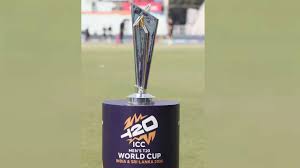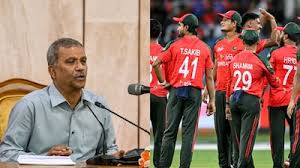

The recent turmoil in Bangladesh cricket has reached a boiling point following a “stunning U-turn” by the interim government’s Sports Advisor, Asif Nazrul, regarding the national team’s withdrawal from the 2026 ICC Men’s T20 World Cup.
The controversy, which has left the nation’s top cricketers feeling betrayed and “helpless,” began in early January when the government cited “unverifiable security risks” in India as the reason for pulling out of the tournament.
However, on February 10, Nazrul shifted the narrative, claiming that the decision was actually a “voluntary sacrifice” made by the Bangladesh Cricket Board (BCB) and the players themselves to uphold national dignity.
This statement sparked immediate outrage from the dressing room, with players breaking their silence to call the claim absurd and even “funny,” given that they were never consulted and were desperate to participate in the global event.
The “Funny” Reaction and Player Helplessness
When reports surfaced that the government was pinning the boycott on the team, the reaction from the players was one of incredulous laughter and deep frustration. An anonymous senior cricketer, speaking to The Daily Star, remarked, “That was funny.
You heard what he said? We are helpless. We have no one.” This sentiment was echoed across the squad, with many players clarifying that they were excluded from the critical meetings where their professional futures were decided.
The players highlighted a “complete lack of communication,” noting that they had been preparing for months to compete on the world stage, only to be told through news reports that they had supposedly “chosen” to stay home.
The contrast between the government’s earlier stance—where Nazrul explicitly stated on January 22 that the boycott was a “government decision”—and this new attempt to shift accountability has painted a picture of administrative chaos.
Origins of the Boycott: The IPL and Security Tensions
The roots of this diplomatic and sporting fracture can be traced back to the Mustafizur Rahman incident in early 2026. After the BCCI reportedly pressured Kolkata Knight Riders (KKR) to release the Bangladeshi pacer without a clear explanation, tensions flared between the two boards.
The Bangladesh government responded by seeking to relocate its World Cup matches to Sri Lanka, citing safety concerns. When the ICC rejected this “hybrid model” after a risk assessment found no credible threat, the interim government took the drastic step of a full withdrawal.
This move led to Scotland replacing Bangladesh in Group C, a historic first for an ICC Full Member to miss a World Cup due to a self-imposed political boycott.
A Reluctant Clarification
As the backlash from fans, BCB directors, and players intensified, Asif Nazrul was forced into a second U-turn. On February 11, he issued a formal clarification on social media, admitting that his previous comments were an “unprepared response” to a question about regret. He finally reaffirmed what was known all along: “The decision not to participate in the World Cup was made by the government.”
He attempted to pivot by saying that while the government made the call, the “credit” for the sacrifice belonged to the players who complied with the order, even at the cost of their careers and financial earnings.
The ICC’s Surprising Lenience
Despite the breach of the Member Participation Agreement, the ICC has taken a remarkably soft stance, likely to avoid further destabilizing one of the world’s most passionate cricket markets. Following high-level talks in Lahore, the ICC confirmed that:
Bangladesh will receive its full share of ICC revenue to maintain domestic stability.
The country is being considered as a priority host for an ICC event in the 2028–2031 cycle.
While the administrative side has been “salvaged,” the emotional rift remains. For the players, the “funny” claim by the government was the final straw in a saga that has seen them lose a year of their prime to political posturing, leaving them to watch the tournament from home as Scotland takes their place in the record books.
About the Author