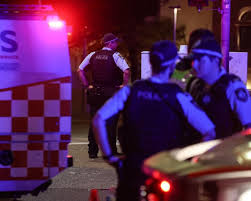
The devastating mass shooting at Sydney’s Bondi Beach, which targeted a Hanukkah celebration and resulted in the deaths of at least 15 people, has triggered a national crisis and an immediate political response from Prime Minister Anthony Albanese, who has vowed to introduce tougher national gun laws.
The tragedy was compounded by the revelation that the two alleged assailants were a father and son, Sajid Akram (50) and Naveed Akram (24).
Crucially, authorities confirmed that the older gunman, Sajid Akram, was a licensed firearms holder who had legally amassed six long-arm weapons over the last decade, with these weapons believed to have been used in the attack.
This shocking detail—that the weapons used in the country’s deadliest shooting since the 1996 Port Arthur massacre were legally obtained under the nation’s supposedly stringent gun control system—has become the central point of the Prime Minister’s call for reform.
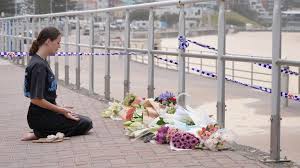
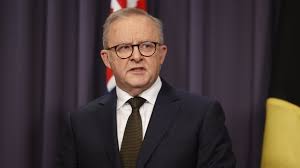
Albanese, declaring the incident an “act of evil antisemitism, an act of terrorism,” pledged to use a meeting with state and territory leaders to push for immediate, sweeping legislative changes.
The proposals flagged include limiting the total number of firearms a licensed individual can possess and implementing more frequent audits and reviews of gun licenses, arguing that licenses should not be held “in perpetuity” as circumstances and potential for radicalization can change over time.
New South Wales Premier Chris Minns strongly backed the federal push, questioning why non-agricultural citizens need access to “horrifying weapons” and confirming his state would also move to restrict access to such high-powered firearms.
This political mobilization underscores a national resolve to close the dangerous loopholes exposed by the terror attack, marking a serious re-evaluation of the landmark gun laws put in place nearly three decades ago
About the Author