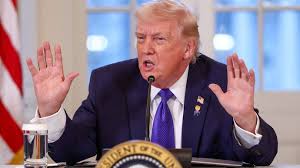
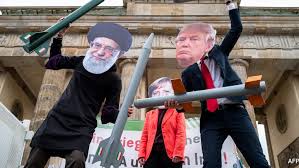
In early 2026, the Trump administration’s Iran policy has reached a critical crossroads, defined by a “maximum pressure” 2.0 strategy that balances the threat of kinetic force with innovative technological support for internal dissent. Following the dramatic seizure of Nicolás Maduro in Venezuela in early January, President Trump has escalated his rhetoric against Tehran, warning that the U.S. is “locked and loaded” to intervene if the Islamic Republic continues its deadly crackdown on nationwide protests that began in late December 2025. This dual-track approach—stretching from the threat of precision air strikes to the deployment of Starlink terminals—seeks to destabilize the regime’s control while forcing it back to the negotiating table under weakened conditions.
The Military Option: Air Strikes and Deterrence
The most aggressive lever in Trump’s arsenal is the threat of direct military action. In June 2025, the U.S. and Israel reportedly conducted targeted strikes on three Iranian nuclear facilities, significantly hindering Tehran’s enrichment capabilities. As of January 2026, the White House has confirmed that air strikes remain “on the table” if the regime uses lethal force against peaceful protesters. The administration’s recent success in Venezuela has lent new weight to these threats, creating a psychological “regime change” pressure that emphasizes Iran’s vulnerability after its regional “Axis of Resistance” was fractured by Israeli military operations throughout 2024 and 2025.
The Technological Option: Starlink and Cyber Warfare
In a pivot toward supporting internal revolution, President Trump has publicly floated the idea of collaborating with Elon Musk to provide Starlink satellite internet to the Iranian people. This is a direct response to the “digital blackout” imposed by Tehran on January 8, 2026, which the regime used to mask its suppression of protests. By bypassing the state-controlled intranet, the U.S. aims to:
Restore Communication: Allow protesters to coordinate and share footage of human rights abuses with the world. Counter Propaganda: Neutralize the regime’s ability to dominate the information space. Cyber Operations: Alongside Starlink, the administration is weighing the use of “secretive cyber weapons” to disable military command-and-control networks without the need for traditional boots on the ground.

Economic and Diplomatic Pressure
Beneath these high-profile options lies the restored Maximum Pressure campaign. Since February 2025, the U.S. has aggressively targeted Iran’s “shadow fleet” of oil tankers, particularly those selling to China, in an attempt to drive Iranian oil exports to zero. This economic strangulation, combined with the “snapback” of UN sanctions supported by European allies in late 2025, has sent the rial into a freefall and fueled the current domestic unrest.
Conclusion: A Strategy of Unpredictability
Ultimately, Trump’s “Iran Options” are characterized by strategic unpredictability. While hawks within the administration push for total regime change, the President has maintained that his preferred outcome is a “comprehensive deal” that addresses not only nuclear weapons but also ballistic missiles and regional proxies. By simultaneously preparing air strikes and negotiating with tech titans for internet support, Trump is attempting to squeeze the Iranian leadership between an angry populace and the world’s most powerful military, gambling that the regime will either collapse or capitulate to U.S. demands to avoid the fate of the Maduro government.
About the Author